
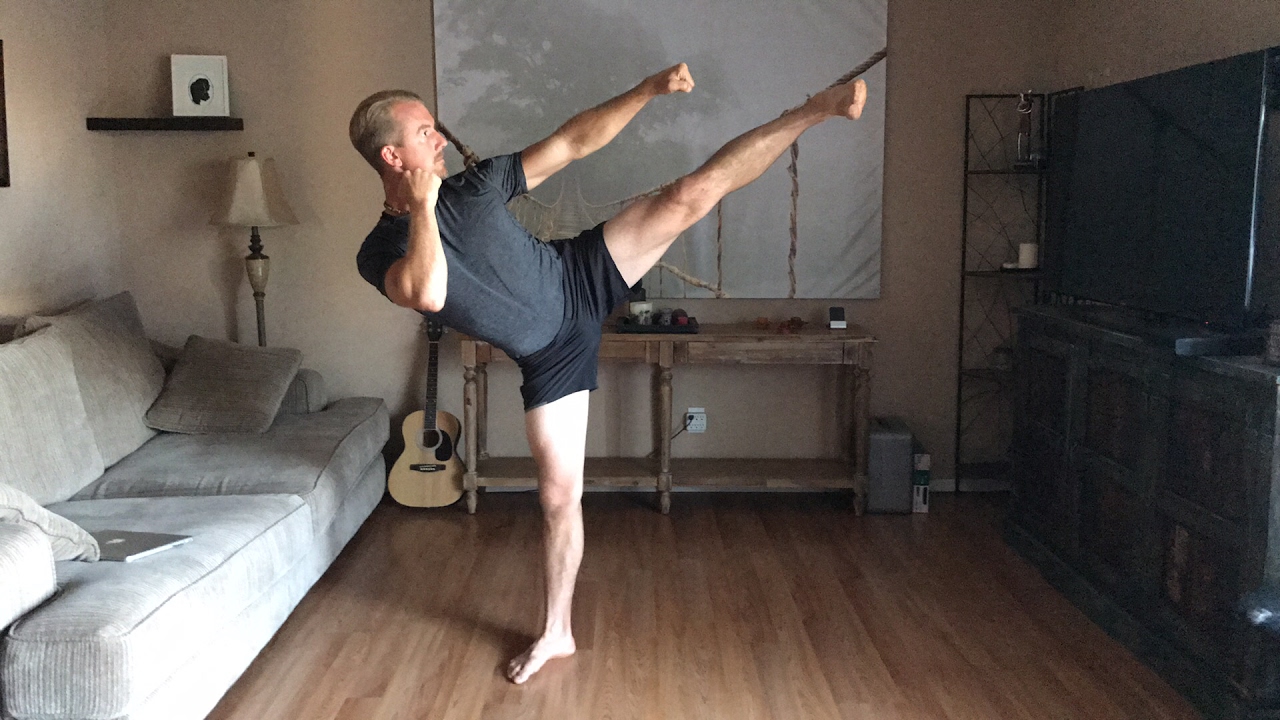
Introduction
Starting a fitness journey at home can feel overwhelming, especially without a clear plan or structured guidance. Many beginners struggle with consistency because they don’t know what to do each day or how to progress safely. This is where a daily martial arts routine becomes highly effective.
A well-designed routine combines strength, cardio, flexibility, and focus into one structured system. Unlike random workouts, martial arts training follows a purpose-driven approach that keeps you engaged while improving overall fitness. Whether your goal is to build strength, lose weight, or improve coordination, training at home can deliver real results.
This guide provides a complete, beginner-friendly daily plan that you can follow consistently. By combining a martial arts home workout with daily tai chi exercises, you’ll create a balanced routine that supports both physical and mental development.
Why Follow a Daily Martial Arts Routine
Consistency is the most important factor in achieving fitness results. A daily martial arts routine helps eliminate guesswork and builds discipline through repetition and structure.
Training daily does not mean intense workouts every day. Instead, it focuses on balanced sessions that include technique, conditioning, and recovery. This approach prevents burnout while allowing steady progress.
Another advantage is engagement. Martial arts training is skill-based, which means you are constantly learning and improving. This makes it easier to stay motivated compared to repetitive gym exercises.
Over time, daily practice helps improve coordination, stamina, and confidence, making fitness a natural part of your lifestyle.
Key Components of a Daily Martial Arts Routine
Before starting, it’s important to understand what makes a routine effective. A proper martial arts home workout includes the following elements:
- Warm-up to prepare the body
- Technique practice to build skills
- Conditioning for strength and endurance
- Flexibility and balance training
- Cool down for recovery
Each component plays a role in improving overall fitness and preventing injury. Combining these elements ensures a complete and effective routine.
Daily Martial Arts Routine for Beginners (Step-by-Step Plan)
This simple routine can be done at home without equipment and takes approximately 30–45 minutes.
- Warm-Up (5–10 Minutes)
Warming up prepares your muscles and joints for movement. It reduces the risk of injury and improves performance during training.
Start with light movements such as jogging in place or jumping jacks. Add arm circles, hip rotations, and gentle stretching to activate your entire body.
A proper warm-up also increases blood flow and helps your body transition smoothly into more intense movements.
- Basic Techniques Practice (10–15 Minutes)
This is the core of your daily martial arts routine. Focus on simple, foundational movements.
Practice:
- Jab and cross punches
- Front kicks and knee strikes
- Basic defensive movements (blocking and stepping back)
Perform each movement slowly at first, focusing on proper form. Gradually increase speed as you become more comfortable.
This step builds coordination, balance, and muscle memory, which are essential for long-term progress.
- Conditioning Exercises (10–15 Minutes)
Conditioning improves strength, endurance, and overall fitness. It complements your martial arts training.
Include:
- Squats for lower body strength
- Push-ups for upper body strength
- Plank holds for core stability
These exercises help build the physical strength needed to perform martial arts techniques effectively.
Keep the intensity moderate to avoid fatigue, especially as a beginner.
- Daily Tai Chi Exercises (5–10 Minutes)
Adding daily tai chi exercises helps balance high-energy training with calm, controlled movement.
Practice slow arm movements, weight shifting, and controlled breathing. Focus on smooth transitions and relaxed posture.
This improves balance, flexibility, and mental clarity. It also helps reduce stress and supports recovery after conditioning exercises.
- Cool Down and Stretching (5–10 Minutes)
Cooling down is essential for recovery. It helps relax muscles and prevents stiffness.
Include:
- Gentle stretching for legs and arms
- Deep breathing exercises
- Slow movements to bring your heart rate down
This step ensures your body recovers properly and stays flexible over time.
Weekly Structure for Better Results
While this is a daily martial arts routine, structuring your week can improve results and prevent burnout.
Example Weekly Plan:
- Day 1: Full routine (technique + conditioning)
- Day 2: Light training + daily tai chi exercises
- Day 3: Full routine
- Day 4: Recovery (stretching + tai chi)
- Day 5: Full routine
- Day 6: Light practice or shadowboxing
- Day 7: Rest
This balance allows consistent progress while giving your body time to recover.
Tips to Stay Consistent with Your Routine
Consistency is what turns a simple routine into real results. Beginners often struggle not because the routine is difficult, but because they lack structure and motivation.
- Set a Fixed Time
Training at the same time every day builds a habit. It removes decision fatigue and makes workouts part of your routine.
- Keep Sessions Short and Focused
Long workouts are not necessary for progress. A focused 30–40 minute martial arts home workout is more effective and easier to maintain.
- Focus on Progress, Not Perfection
Improvement takes time. Instead of aiming for perfect technique, focus on gradual progress and consistency.
- Track Your Improvement
Keep track of your strength, endurance, and technique. Seeing progress helps maintain motivation and builds confidence.
Common Mistakes to Avoid
Avoiding common mistakes will help you progress faster and reduce the risk of injury.
- Skipping warm-ups before training
- Using incorrect form during techniques
- Training too intensely in the beginning
- Being inconsistent with your routine
Staying mindful of these mistakes ensures safe and effective progress.
How to Progress Over Time
As your fitness improves, your routine should evolve. Progression keeps training challenging and engaging.
You can:
- Increase repetitions in exercises
- Add more complex combinations
- Extend workout duration slightly
- Improve speed and control of movements
Gradual progression helps build strength and endurance without overwhelming your body.
Benefits of Following a Daily Martial Arts Routine
A consistent daily martial arts routine provides long-term benefits:
- Improved strength and endurance
- Better flexibility and balance
- Increased mental focus and discipline
- Effective fat loss and fitness improvement
- Greater confidence and body awareness
These benefits make martial arts one of the most complete fitness systems for beginners.
Conclusion
A daily martial arts routine is one of the most effective ways to build fitness, discipline, and confidence at home. By combining technique practice, conditioning, and daily tai chi exercises, you create a balanced system that supports both physical and mental development.
Unlike random workouts, martial arts training provides structure and purpose, making it easier to stay consistent over time. The key is to start simple, stay consistent, and gradually improve your routine.
With regular practice, even a basic martial arts home workout can lead to noticeable improvements in strength, endurance, and overall wellbeing.
FAQ
- What is a daily martial arts routine?
It is a structured training plan that includes techniques, conditioning, and recovery exercises done daily. - Can beginners follow a martial arts routine at home?
Yes, beginner-friendly routines require no equipment and are easy to follow. - How long should a daily routine be?
30–45 minutes is ideal for beginners. - What are daily tai chi exercises?
They are slow, controlled movements that improve balance and reduce stress. - Do I need equipment for martial arts training?
No, most routines use bodyweight exercises. - How often should I train?
5–6 days per week with 1 rest day is recommended. - Can martial arts help with weight loss?
Yes, it burns calories and improves metabolism. - Is it safe to train alone at home?
Yes, if proper technique and warm-ups are followed. - How long before I see results?
Most people notice improvements within a few weeks. - Can I combine this with other workouts?
Yes, but keep balance to avoid overtraining.