Introduction
Starting something new can feel overwhelming, especially when it comes to a physically demanding discipline like MMA. However, mma training for beginners is designed to be structured, progressive, and accessible, making it suitable even for those with no prior experience.
Mixed Martial Arts (MMA) combines techniques from various disciplines such as striking, grappling, and conditioning. This makes it one of the most effective training systems for building strength, endurance, and practical self defense training skills.
For beginners, the goal is not to master everything at once but to build a strong foundation. With the right approach, MMA can improve overall fitness, boost confidence, and provide a highly engaging alternative to traditional workouts.
What is MMA Training?
MMA (Mixed Martial Arts) is a modern combat sport that blends techniques from multiple martial arts styles. It includes both standing and ground-based fighting methods, making it one of the most comprehensive training systems available.
Core elements of MMA include:
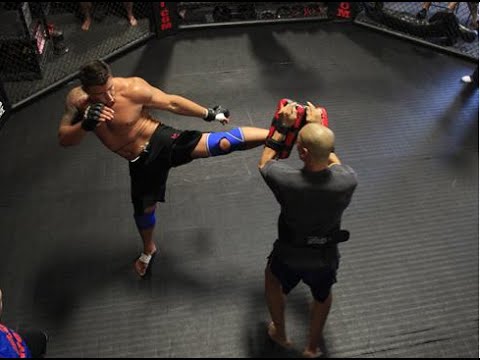
- Striking techniques – punches, kicks, elbows, and knees
• Grappling techniques – clinch work, takedowns, and control
• Ground fighting – submissions and positional control
• Conditioning – strength, endurance, and agility training
Unlike traditional martial arts that focus on a single style, MMA offers a balanced approach that develops the entire body. This is why it is widely used for martial arts for fitness and self-defense purposes.
Benefits of MMA Training for Beginners
MMA training offers a unique combination of physical and mental benefits, making it one of the most effective options for beginners. Unlike traditional workouts, it combines multiple training styles into one structured system, ensuring balanced development.
- Full-Body Fitness and Strength Development
MMA training activates the entire body through coordinated movements such as striking, grappling, and defensive techniques. Instead of isolating muscles, it trains them to work together, improving functional strength and overall performance. Over time, this leads to better posture, stronger muscles, and improved body control.
- Effective Weight Loss and Fat Burning
Due to its high-intensity nature, MMA burns a significant number of calories in a short period. The combination of cardio and resistance training helps reduce body fat while preserving lean muscle mass. This makes it more effective than many traditional gym routines for long-term weight management.
- Practical Self Defense Training Skills
One of the most valuable aspects of MMA is its real-world application. Beginners learn how to handle different situations, including both standing and ground defense. These skills improve awareness, reaction time, and confidence in handling physical situations.
- Improved Mental Strength and Discipline
MMA requires focus, patience, and consistency. As beginners progress, they develop mental resilience, better concentration, and emotional control. This not only improves training performance but also helps in managing stress and daily challenges.
Essential MMA Skills for Beginners
Before advancing to complex techniques, beginners must build a strong foundation by focusing on core MMA skills. These fundamentals ensure safe progression and long-term improvement.
Basic Striking Techniques
Striking is often the first skill beginners learn. It includes punches, kicks, and defensive movements that improve coordination and timing. Learning proper technique is essential to avoid injury and maximize efficiency. Over time, striking also improves speed, reflexes, and cardiovascular endurance.
Fundamental Grappling Skills
Grappling introduces beginners to close-range control and positioning. It focuses on balance, leverage, and body control rather than brute strength. Learning how to maintain stability and control an opponent builds confidence and improves overall physical awareness.
Ground Control and Defense
Ground techniques are a key part of MMA training. Beginners learn how to protect themselves, escape from difficult positions, and maintain control when on the ground. This area is especially important for self defense training, as many real-life situations involve close contact.
Beginner MMA Training Structure
A well-structured session helps beginners progress safely and effectively while improving both skill and fitness levels.
Warm-Up (5–10 Minutes)
Warming up prepares the body for movement and reduces the risk of injury. It increases blood flow, improves mobility, and ensures muscles are ready for training.
- Light cardio (jumping jacks, jogging)
• Dynamic stretching
• Mobility exercises
Technique Training (15–20 Minutes)
This is where beginners learn and practice new skills in a controlled environment. Repetition helps build muscle memory and confidence.
- Punch and kick combinations
• Basic grappling drills
• Movement and positioning
Conditioning (15–20 Minutes)
Conditioning improves endurance, strength, and overall martial arts for fitness performance.
- Push-ups
• Squats
• Core exercises like planks
• Short cardio bursts
Cool Down (5–10 Minutes)
Cooling down helps the body recover and improves flexibility while reducing muscle soreness.
- Stretching
• Deep breathing
• Light movement
How Often Should Beginners Train?
Consistency is more important than intensity for beginners. Training regularly allows the body to adapt while reducing the risk of burnout or injury.
A balanced schedule includes:
- 3–4 sessions per week for steady progress
• Rest days for recovery and muscle repair
• Optional light practice at home
Gradual progression ensures sustainable improvement in both fitness and technique.
What to Expect in Your First MMA Class
Your first MMA class is designed to introduce you to the basics in a safe and supportive environment. There is no pressure to perform at a high level immediately.
Beginners can expect:
- Introduction to basic techniques
• Light drills and partner exercises
• Step-by-step guidance from instructors
• A focus on learning rather than competition
This structured approach helps build confidence and prepares you for more advanced training over time.
Common Mistakes Beginners Should Avoid
Avoiding common mistakes is essential for steady progress and injury prevention.
- Training too hard too soon can lead to burnout or injuries
• Ignoring proper technique reduces effectiveness and increases risk
• Being inconsistent slows down progress
• Comparing yourself to others can affect motivation
• Skipping recovery impacts performance and growth
Focusing on gradual improvement and proper form ensures long-term success.
Tips to Improve Faster in MMA
Improving in MMA requires more than just attending classes. A focused and disciplined approach can significantly accelerate progress.
Focus on Mastering Fundamentals First
Beginners should prioritize basic techniques before moving to advanced skills. A strong foundation ensures better performance and reduces the risk of injury.
Maintain Consistency in Training
Regular training builds both physical fitness and technical ability. Consistency is the key to noticeable improvement over time.
Prioritize Technique Over Power
Using proper form is more effective than relying on strength alone. Good technique improves efficiency and reduces fatigue during training.
Support Training with Proper Nutrition and Recovery
A balanced diet and adequate rest are essential for energy, recovery, and performance. They also help prevent injuries and improve endurance.
Reinforce Learning Through Home Practice
Practicing simple drills at home, such as shadowboxing, helps reinforce techniques learned in class and speeds up progress.
Consistent effort combined with the right approach leads to steady improvement over time. By focusing on fundamentals and maintaining discipline, beginners can progress faster while building long-term skills and confidence.
MMA Training vs Other Martial Arts
MMA stands out because it combines multiple disciplines into one system, making it more versatile than many traditional martial arts.
Compared to single-style training, MMA:
- Covers both striking and grappling
• Offers practical self defense training
• Provides high-intensity workouts
• Develops well-rounded fitness
This makes it an ideal choice for beginners looking for both fitness and real-world application.
Is MMA Safe for Beginners?
MMA training is safe for beginners when practiced under proper guidance and supervision. Training programs are designed to ensure gradual progression and minimize risk.
Safety is maintained through:
- Professional coaching and structured sessions
• Controlled drills instead of immediate full-contact sparring
• Use of protective equipment when needed
• Focus on technique before intensity
By following instructions and training responsibly, beginners can safely build strength, endurance, and confidence.
Conclusion
MMA training for beginners is one of the most effective ways to improve fitness, build strength, and learn practical self defense training skills. By combining striking, grappling, and conditioning, MMA provides a complete and engaging workout experience.
For beginners, the key to success is consistency, patience, and focusing on fundamentals. Progress may feel slow at first, but with regular practice, both physical and mental improvements become noticeable.
Whether your goal is martial arts for fitness, weight loss, or self-defense, MMA offers a structured and sustainable path toward long-term results.
FAQ
- What is MMA training for beginners?
It is a structured program that teaches basic techniques, fitness, and self-defense skills. - Is MMA suitable for beginners?
Yes, beginner-friendly classes are designed for safe and gradual learning. - How often should beginners train MMA?
3–4 times per week is ideal. - Do I need to be fit before starting MMA?
No, training helps build fitness over time. - Is MMA good for weight loss?
Yes, it burns calories and improves metabolism. - What should I wear to training?
Comfortable workout clothes are enough for beginners. - Is sparring required?
No, it is introduced gradually. - Can MMA be used for self-defense?
Yes, it teaches practical techniques. - How long to see results?
A few weeks with consistent training. - Can I train at home?
Yes, basic drills can be practiced at home.