Introduction
In today’s fast-paced world, stress and mental fatigue have become part of everyday life. Work pressure, digital overload, lack of physical activity, and constant mental stimulation often leave people feeling overwhelmed and emotionally drained. Over time, this can impact sleep, focus, productivity, and overall well-being.
While many people turn to passive coping methods such as scrolling on phones or watching entertainment, these approaches only provide temporary distraction rather than long-term relief. This is where martial arts for stress relief offer a more meaningful and sustainable solution.
Unlike conventional workouts that focus only on physical fitness, martial arts integrate movement, breathing control, discipline, and mental awareness into one structured practice. This combination helps regulate emotions, calm the nervous system, and improve mental clarity.
From slow and mindful practices like tai chi for stress relief to more dynamic systems that build martial arts for mental focus, these disciplines provide powerful tools to manage both emotional and psychological stress. This guide explores how martial arts support mental health, reduce anxiety, and create long-term emotional balance.
Understanding Stress and Its Impact on Mental Health
Stress is a natural response of the body to pressure or challenges. However, when it becomes chronic, it can negatively affect both mental and physical health.
Common effects of long-term stress include:
- Difficulty concentrating and making decisions
• Irritability and emotional instability
• Poor sleep quality and fatigue
• Increased anxiety and overthinking
• Muscle tension and physical discomfort
The human body is designed to handle short bursts of stress, but modern lifestyles often keep the nervous system in a constant “alert” state. This imbalance is what leads to burnout and emotional exhaustion.
Martial arts help address this issue by engaging both the body and mind in structured, controlled movement, which naturally resets the stress response system.
How Martial Arts Help in Stress Relief
Martial arts are highly effective for managing stress because they combine physical activity with mental discipline. Instead of allowing the mind to remain trapped in anxious thoughts, training shifts attention to movement, breathing, and awareness.
Key mechanisms include:
- Physical movement reduces stress hormones like cortisol
• Focused training interrupts negative thought patterns
• Controlled breathing activates the parasympathetic nervous system
• Repetitive motion creates a meditative mental state
This combination helps the body transition from a high-stress state to a calmer, more balanced condition.
Over time, regular practice helps individuals respond to stress more calmly in daily life rather than reacting impulsively.
Tai Chi for Stress Relief and Emotional Balance
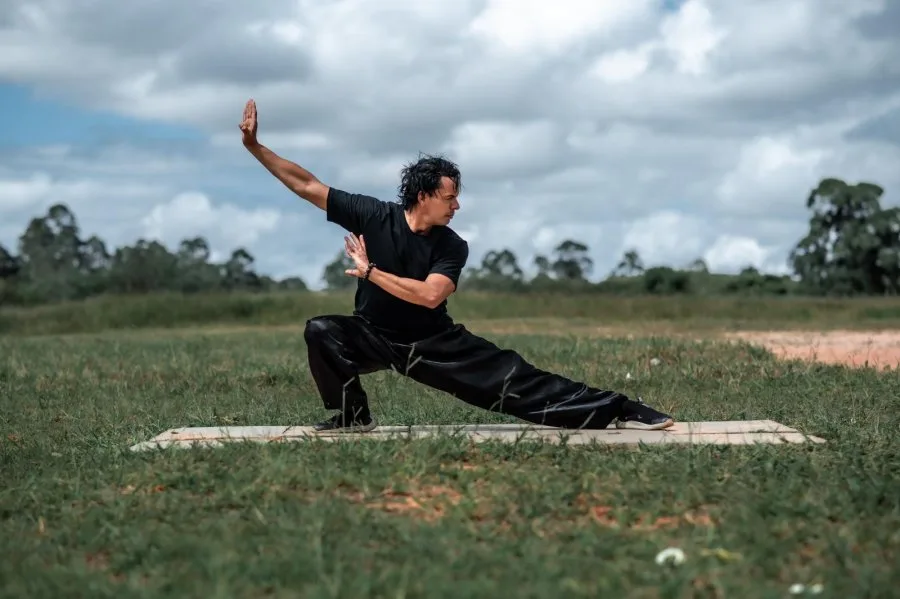
Among all martial arts, tai chi for stress relief is widely recognized for its calming and therapeutic effects. It is a slow, flowing form of martial art that emphasizes balance, breathing, and mindfulness.
Unlike high-intensity workouts, tai chi focuses on controlled movement and internal awareness. Each motion is performed with intention, allowing the mind to slow down and become more present.
Key benefits of tai chi include:
- Reduces anxiety and mental overactivity
• Promotes deep relaxation through breathing control
• Improves emotional stability and mood regulation
• Enhances body awareness and mindfulness
Tai chi is often described as “moving meditation” because it combines physical movement with mental stillness. This makes it especially effective for individuals dealing with stress, anxiety, or mental fatigue.
With regular practice, the mind becomes less reactive and more centered, helping individuals maintain emotional balance even in challenging situations.
Martial Arts for Mental Focus and Clarity
Another powerful benefit of training is improved martial arts for mental focus. Unlike passive relaxation techniques, martial arts require active concentration, which trains the brain to stay present.
During training, practitioners must:
- Memorize movement patterns and sequences
• Maintain awareness of posture and breathing
• React quickly to changes in movement or timing
• Stay mentally engaged under physical pressure
This constant engagement strengthens cognitive control and improves attention span over time.
As mental focus improves, individuals often notice:
- Better productivity in work and studies
• Reduced mental distractions
• Improved decision-making ability
• Greater emotional control during stress
This makes martial arts not only a physical discipline but also a form of mental training that enhances everyday performance.
Emotional Benefits of Martial Arts Practice
Beyond stress reduction, martial arts also play a significant role in improving emotional health. The structured nature of training helps individuals develop discipline, patience, and self-awareness.
Key emotional benefits include:
- Emotional stability– Helps regulate mood and reduce emotional outbursts
• Self-confidence– Skill progression builds belief in personal ability
• Stress release – Physical movement helps release stored tension
• Mental resilience – Training teaches how to stay calm under pressure
These emotional improvements gradually extend beyond training sessions into daily life, improving relationships, communication, and self-control.
The Mind-Body Connection in Martial Arts
One of the most unique aspects of martial arts is the strong connection between physical movement and mental awareness. This mind-body integration is a key reason why it is so effective for stress relief.
Through consistent practice, individuals learn to:
- Synchronize breathing with movement
• Recognize and release physical tension
• Stay present in the moment
• Develop awareness of emotional responses
This connection creates a more balanced internal state where stress is easier to manage and control.
Unlike external distractions, martial arts train the mind to regulate itself from within.
Martial Arts vs Traditional Stress Relief Methods
Most traditional stress relief methods focus on distraction or temporary relaxation. While these can be helpful, they do not actively train the mind to handle stress better.
Comparison:
- Passive methods (like scrolling or watching TV) provide short-term relief
• Martial arts actively train emotional and mental resilience
• Physical movement helps release tension stored in the body
• Long-term practice improves stress response systems
This makes martial arts a more sustainable and empowering approach to mental health compared to passive coping strategies.
Why Martial Arts Improve Long-Term Mental Health
The long-term mental health benefits of martial arts come from consistency and structured practice. Over time, the nervous system becomes more balanced and less reactive to stress.
With regular training, individuals experience:
- Lower baseline stress levels
• Improved sleep quality
• Greater emotional stability
• Increased mental clarity and focus
• Reduced anxiety response in daily situations
These improvements are not temporary, they build gradually and become part of long-term lifestyle changes.
Integrating Martial Arts into Daily Life
Martial arts do not require long or complex sessions to be effective. Even short daily practice can significantly improve mental well-being.
Simple ways to integrate training:
- 15–20 minutes of daily tai chi or breathing-based movement
• Short mindfulness-based warm-up routines
• Light shadow movement for mental focus
• Structured weekly practice sessions
Consistency is more important than intensity when the goal is stress relief and mental balance.
Conclusion
Martial arts offer a powerful and natural approach to improving mental health and reducing stress. By combining movement, breathing, and focused attention, they help calm the mind, regulate emotions, and build long-term resilience.
Practices like tai chi for stress relief provide deep relaxation and emotional balance, while more active systems develop martial arts for mental focus and clarity. Together, they create a complete mind-body system for managing modern-day stress.
With consistent practice, martial arts go beyond physical fitness, they become a lifestyle tool for emotional stability, mental clarity, and overall well-being, helping individuals navigate life with greater calmness and confidence.
FAQ
- What is martial arts for stress relief?
It refers to martial arts practices that help reduce stress by combining movement, breathing, and mental focus to calm the mind and relax the body. - How do martial arts reduce stress?
They reduce stress by lowering cortisol levels, improving breathing control, and shifting attention away from anxious thoughts through focused movement. - Is tai chi good for stress relief?
Yes, tai chi for stress relief is highly effective because its slow, flowing movements promote relaxation, mindfulness, and emotional balance. - Can martial arts help with anxiety?
Yes, regular practice can help reduce anxiety by improving emotional control, mental clarity, and the body’s stress response. - What is martial arts for mental focus?
It refers to training methods that improve concentration, attention span, and awareness through disciplined movement and structured practice. - How often should I practice martial arts for mental health?
Practicing 3–5 times per week or even short daily sessions of 15–30 minutes can significantly improve mental well-being. - Do I need experience to start martial arts for stress relief?
No, beginners can start easily with simple routines like tai chi or basic breathing and movement exercises. - Which martial art is best for relaxation?
Tai chi is considered the best for relaxation due to its slow pace and meditative nature. - Can martial arts improve sleep quality?
Yes, they help reduce stress and calm the nervous system, which can lead to better sleep patterns. - Are martial arts better than meditation for stress?
They are different but complementary—martial arts combine physical movement with mindfulness, while meditation focuses purely on mental stillness.