Introduction
In today’s evolving fitness landscape, more people are moving away from repetitive gym routines and searching for training methods that offer both physical results and long-term engagement. Traditional workouts can improve strength or endurance, but they often lack the variety, mental stimulation, and practical application that many individuals are now looking for. This is where martial arts for fitness provide a powerful alternative.
Martial arts are not just about combat or competition, they are structured systems of movement that develop the body and mind together. Through a combination of strength training, cardio, coordination, flexibility, and discipline, martial arts create a complete fitness experience that goes far beyond lifting weights or running on a treadmill.
Whether your goal is to improve endurance, build strength, achieve martial arts for weight loss, or develop real-world self-defense training skills, martial arts offer a dynamic and adaptable solution. Unlike many fitness programs that focus on short-term results, martial arts encourage long-term consistency through skill progression, making them more sustainable and engaging over time.
From physically intense disciplines like kung fu training and mma training for beginners to more controlled and mindful practices like tai chi for stress relief, there is a style suited to every fitness level and lifestyle. This pillar guide will explore how martial arts can transform your fitness journey, support fat loss, and help you build confidence through practical skills.
Why Martial Arts Are Ideal for Fitness
A Complete Full-Body Training System
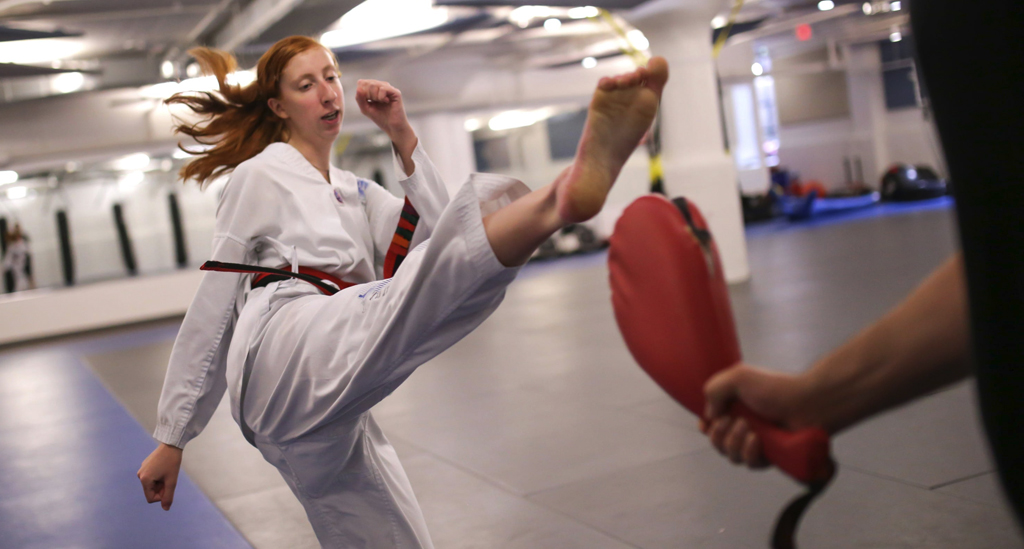
One of the defining characteristics of martial arts is that they provide a complete full-body workout. Unlike conventional gym routines that often isolate muscle groups, martial arts movements require the body to function as a single, coordinated unit.
For example, even a basic movement such as a punch involves:
- The rotation of the hips
- Engagement of the core muscles
- Activation of the shoulders and arms
- Stabilization through the legs
This multi-layered engagement ensures that every part of the body contributes to the movement. Over time, this leads to balanced muscle development and improved coordination.
Additionally, martial arts training naturally incorporates:
- Strength exercises (through stances and resistance)
- Cardiovascular activity (through continuous movement)
- Flexibility work (through dynamic stretching and motion)
This eliminates the need for separate workouts, making martial arts an efficient and time-saving fitness solution.
Functional Strength and Real-Life Movement
Another major advantage of martial arts is the development of functional strength. This refers to strength that is applicable in real-world situations, rather than just in controlled gym environments.
In martial arts, you are constantly:
- Shifting your weight
- Maintaining balance
- Moving in multiple directions
- Reacting to changes in position
These movements train the body to become more adaptable and efficient. Unlike machine-based exercises, which limit movement to a fixed range, martial arts encourage natural, unrestricted motion.
This results in:
- Better posture
- Improved balance
- Reduced risk of injury
- Greater control over body movements
Functional strength is particularly important as it supports everyday activities such as walking, lifting, and reacting quickly in unexpected situations.
Cardiovascular Fitness and Endurance
Martial arts training significantly improves cardiovascular fitness due to its continuous and varied movement patterns. High-intensity disciplines, especially mma training for beginners, involve bursts of activity followed by controlled recovery, similar to interval training.
This leads to:
- Increased heart efficiency
- Improved stamina
- Better oxygen utilization
Unlike steady-state cardio, martial arts workouts are dynamic and engaging, which helps prevent boredom and encourages consistency.
Over time, practitioners often notice that:
- They can train longer without fatigue
- Their breathing becomes more controlled
- Their overall energy levels improve
Martial Arts for Weight Loss
High-Calorie Burn and Fat Loss
One of the most compelling reasons people choose martial arts is their effectiveness in martial arts for weight loss. Training sessions are designed to be physically demanding while engaging the entire body.
A typical martial arts session can burn between 500 to 1000 calories, depending on intensity. This makes it comparable to high-intensity workouts but with added benefits such as skill development and coordination.
Combination of Strength and Cardio
Martial arts are unique because they combine:
- Cardiovascular exercise (for fat burning)
- Strength training (for muscle building)
This combination is highly effective for weight loss because it helps:
- Burn calories during training
- Increase metabolism
- Maintain lean muscle mass
Unlike pure cardio workouts, which can sometimes lead to muscle loss, martial arts promote a balanced physique.
Metabolic Boost and Afterburn Effect
High-intensity training, particularly in kung fu training or MMA, activates the body’s afterburn effect. This means that even after your workout is complete, your body continues to burn calories at an elevated rate.
This effect:
- Enhances fat loss
- Improves metabolic efficiency
- Supports long-term weight management
Sustainability and Long-Term Results
One of the biggest challenges in weight loss is maintaining consistency. Martial arts solve this problem by making workouts engaging and skill-driven.
Instead of repeating the same exercises, you:
- Learn new techniques
- Improve performance
- Track progress through skill development
This makes training more enjoyable and sustainable, increasing the likelihood of long-term success.
Martial Arts Home Workout for Fat Loss
For those who cannot attend classes regularly, a martial arts home workout can still be highly effective.
At-home routines may include:
- Shadowboxing combinations
- Basic kicks and punches
- Stance holding for strength
- Bodyweight conditioning exercises
These workouts can be done in small spaces and require minimal equipment, making them accessible to everyone.
Even 20 minutes of daily practice can contribute significantly to weight loss and overall fitness.
Self Defense Training: Real-World Strength
Awareness as the First Line of Defense
Effective self defense training begins with awareness. Martial arts teach you to observe your surroundings and identify potential risks before they escalate.
This includes:
- Maintaining distance
- Recognizing body language
- Avoiding confrontation when possible
Practical Defensive Techniques
Martial arts focus on techniques that are applicable in real-life situations, such as:
- Escaping from holds
- Blocking attacks
- Redirecting force
- Maintaining balance under pressure
These techniques rely more on timing and positioning than brute strength, making them effective for individuals of all sizes.
Confidence and Mental Strength
Perhaps the most important benefit of self-defense training is confidence. Martial arts help individuals develop:
- Calmness under pressure
- Quick decision-making
- Emotional control
This confidence not only improves self-defense ability but also positively impacts everyday life.
Exploring Martial Arts Styles: Choosing the Right Path
Now that we’ve established how martial arts support fitness, fat loss, and self-defense, the next step is understanding the different styles available. Each martial art offers a unique approach to training, and choosing the right one depends on your personal goals, physical ability, and preferred training style.
Within the broader world of chinese martial arts, two systems stand out as foundational: kung fu and tai chi. In addition, modern disciplines such as mixed martial arts provide a more contemporary and high-intensity approach. Understanding these differences helps you make a more informed decision as you begin your training journey.
1. Kung Fu: Strength, Agility, and Discipline
Kung fu is one of the most recognized forms of martial arts, known for its combination of strength, speed, and precision. It emphasizes both physical power and mental discipline, making it ideal for fitness, weight loss, and self-defense.
Core Elements of Kung Fu Training:
- Stance Work: Foundational stances like horse stance (Ma Bu) and front stance (Gong Bu) strengthen the legs, core, and lower back, improving balance and stability.
- Striking Techniques: Punches, kicks, palm strikes, and elbow strikes develop coordination, speed, and explosive power.
- Forms (Taolu): Choreographed sequences of movements train memory, rhythm, and overall technique.
- Conditioning and Endurance: Regular practice incorporates bodyweight exercises, flexibility drills, and cardiovascular activity, creating a full-body workout.
Benefits of Kung Fu:
- Builds functional strength that supports everyday movements
- Improves agility, reflexes, and coordination
- Enhances cardiovascular fitness and stamina
- Teaches practical self-defense techniques
Kung fu is especially suitable for individuals seeking a high-intensity, skill-driven workout that challenges both body and mind.
2. Tai Chi: Balance, Mindfulness, and Internal Strength
Tai chi offers a contrasting yet complementary approach to martial arts. Known for its slow, controlled, and flowing movements, tai chi emphasizes internal strength, balance, and mental focus.
Core Elements of Tai Chi Trainging:
- Flowing Movements: Continuous, gentle sequences enhance balance and coordination.
- Breathing Techniques: Synchronizing breath with movement reduces stress and promotes relaxation.
- Mind-Body Connection: Focused attention during practice cultivates mindfulness and mental clarity.
Benefits of Tai Chi:
- Reduces stress and anxiety through meditative movement
- Improves balance, posture, and joint mobility
- Enhances flexibility and muscle control
- Supports long-term wellness and injury prevention
While tai chi is less physically intense than kung fu, it complements strength-based training and helps with recovery, mindfulness, and overall body awareness.
3. MMA Training for Beginners: Modern, Dynamic, High-Intensity
Mixed Martial Arts (MMA) is a contemporary martial art that combines techniques from multiple disciplines, including striking, grappling, and ground fighting. It is designed for dynamic performance, practical self-defense, and peak physical conditioning, making it an ideal choice for individuals seeking high-intensity training with measurable results.
Core Elements of MMA Training
MMA incorporates a blend of skills from boxing, Muay Thai, Brazilian Jiu-Jitsu, wrestling, and other martial arts. Beginners can expect training to include:
- Striking Drills – punches, kicks, elbows, and knees develop explosive power, coordination, and cardiovascular endurance.
- Grappling Techniques – takedowns, clinch work, and ground control enhance full-body strength, balance, and agility.
- Conditioning Exercises – circuit training, plyometrics, and bodyweight exercises build stamina, endurance, and functional strength.
- Controlled Sparring – supervised practice allows beginners to apply techniques in a safe environment, improving reaction time and practical self-defense skills.
Benefits of MMA Training
MMA offers a well-rounded approach to fitness and self-defense, providing both physical and mental benefits:
- Rapid Fat Loss – high-intensity interval-style training burns calories efficiently while increasing metabolism.
- Enhanced Endurance and Strength – the combination of cardio, resistance training, and skill-based drills improves overall athletic performance.
- Practical Self-Defense – MMA teaches versatile techniques for real-world scenarios, helping practitioners defend themselves effectively.
- Mental Toughness and Focus – training challenges both mind and body, promoting discipline, resilience, and confidence.
MMA is particularly appealing for those who enjoy fast-paced, varied workouts that continuously challenge fitness levels while building practical combat skills. For beginners, structured training programs ensure safety, gradual progression, and skill development, making MMA accessible even for those new to martial arts.
Combining Martial Arts for Maximum Benefit
Many practitioners find that combining multiple styles—such as Kung Fu for strength and agility, Tai Chi for balance and mindfulness, and MMA for high-intensity conditioning and practical self-defense—creates a truly well-rounded fitness program. By integrating explosive, dynamic workouts with slow, controlled, and mindful movements, you can:
- Improve overall physical conditioning – targeting strength, endurance, coordination, and flexibility.
- Reduce the risk of injury – through balanced training that includes recovery, mobility, and controlled practice.
- Enhance mental focus and emotional resilience – cultivating discipline, stress management, and confidence.
- Maximize practical skills – combining striking, grappling, self-defense techniques, and body awareness.
- Maintain long-term engagement – varied training keeps workouts challenging, interesting, and sustainable.
Whether your goal is fat loss, self-defense, cardiovascular fitness, or overall health, a combination of martial arts styles ensures that every aspect of fitness, physical, mental, and practical, is addressed, creating a comprehensive and adaptable training experience.
Kung Fu vs Tai Chi vs MMA: Comparison Table
| Aspect | Kung Fu | Tai Chi | MMA |
| Training Philosophy | Focuses on power, speed, and technique | Focuses on balance, relaxation, and efficiency | Combines multiple disciplines for high-intensity performance and practical self-defense |
| Movement Style | Fast, explosive, and dynamic | Slow, flowing, and controlled | Mixed: explosive striking, grappling, and fluid transitions |
| Physical Demand | High-intensity, strength and endurance-focused | Low-impact, gentle, and accessible | High-intensity, demanding cardiovascular, strength, and skill training |
| Skill Development | Forms, strikes, stances, and self-defense | Internal energy (Qi), balance, and mindfulness | Striking, grappling, conditioning, and practical combat techniques |
| Mental Benefits | Discipline, focus, patience, resilience | Stress relief, mindfulness, mental clarity | Mental toughness, focus under pressure, confidence |
| Best For | Strength, agility, functional fitness, self-defense | Balance, flexibility, stress relief, joint health | Rapid fat loss, endurance, full-body strength, real-world self-defense |
Which One Should You Choose?
Selecting the right martial art depends on your fitness goals, lifestyle, and personal preferences. Kung fu, tai chi, and MMA each offer unique benefits, and understanding these differences can help you quickly identify the style that suits you best.
Choose Kung Fu If You Want:
- High-Energy Workouts – Fast-paced movements, dynamic strikes, and powerful kicks that keep your heart racing and stamina challenged.
- Strength and Conditioning – Stance training, bodyweight exercises, and explosive movements develop functional strength for everyday movement and agility.
- Combat-Focused Training and Self-Defense – Learn practical techniques such as punches, kicks, blocks, and defensive maneuvers.
- Discipline and Mental Focus – Structured training and memorized forms (Taolu) promote resilience, patience, and focus.
Choose Tai Chi If You Want:
- Stress Relief and Mindfulness – Slow, flowing movements with deep, mindful breathing reduce stress and anxiety.
- Balance, Flexibility, and Joint Health – Gentle weight shifting strengthens stabilizing muscles, improves posture, and enhances mobility.
- Low-Impact Exercise – Accessible to beginners, older adults, or those with joint concerns while still improving strength and coordination.
- Internal Energy Cultivation and Mind-Body Connection – Develop body awareness and emotional stability through focused practice.
Choose MMA If You Want:
- High-Intensity, Full-Body Training – Combines explosive striking, grappling, and conditioning drills for peak physical fitness.
- Rapid Fat Loss and Endurance – High-intensity, interval-style workouts maximize calorie burn and improve stamina.
- Practical Self-Defense Skills – Learn versatile techniques for real-world scenarios, including striking, takedowns, and ground control.
- Mental Toughness and Confidence – Training challenges both mind and body, promoting focus, resilience, and self-assurance.
Tip for Maximum Benefit:
Many practitioners find that combining styles—Kung Fu for strength, Tai Chi for balance and recovery, and MMA for high-intensity fitness—creates a well-rounded program that develops fitness, skill, endurance, flexibility, and mental resilience.
Choosing the Right Martial Art for Your Goals
Once you’ve identified a style that matches your preference, the next step is to apply it strategically based on your goals. Each objective—fitness, fat loss, stress relief, or self-defense—requires a slightly different training approach.
For Fitness and Weight Loss
High-intensity disciplines like Kung Fu and MMA are ideal for those looking to burn calories quickly, build lean muscle, and improve overall fitness. These styles combine cardio, strength, and skill-based drills in dynamic ways that maximize energy expenditure.
Tips for Maximum Results:
- Train 3–5 times per week for consistent fat loss
- Include interval-style circuits for added calorie burn
- Mix in strength-based sessions (Kung Fu stances, MMA conditioning) to preserve lean muscle
For Stress Relief and Recovery
Tai Chi is perfect for those seeking relaxation, mental clarity, and joint-friendly workouts. It emphasizes mindfulness and controlled movement, making it a great complement to more intense styles.
Tips for Maximum Benefit:
- Practice daily for 10–30 minutes to reduce stress levels
- Focus on deep breathing and slow, deliberate motions
- Pair Tai Chi with high-intensity workouts for balance
For Self-Defense
Kung Fu and MMA offer practical, real-world techniques. Kung Fu emphasizes precise strikes, stance stability, and defensive maneuvers, while MMA adds grappling, takedowns, and ground control.
Tips for Practical Application:
- Attend supervised sparring sessions to apply techniques safely
- Focus on reaction time and awareness drills
- Combine standing strikes with ground defense to cover multiple scenarios
For Beginners
Beginners should start gradually to build confidence and prevent injury. Focus on mastering foundational movements, proper technique, and progressive skill development.
Tips for Starting Out:
- Attend structured beginner classes for guidance
- Use martial arts home workout sessions for extra practice
- Prioritize consistency over intensity
Building a Balanced Martial Arts Routine
Creating a well-rounded routine ensures development across strength, endurance, flexibility, and mental focus.
Combine Different Elements:
- Strength: Kung Fu stances, bodyweight exercises, and resistance drills
- Cardio: MMA striking, sparring, and circuit training
- Flexibility: Tai Chi movements, stretching, and mobility exercises
- Recovery: Breathing exercises, light shadowboxing, and mindfulness practice
Weekly Example Routine:
- Day 1: Kung Fu (strength + technique)
- Day 2: Tai Chi (recovery + balance)
- Day 3: MMA (cardio + endurance + self-defense)
- Day 4: Rest or light home workout
- Day 5: Repeat or mix styles for variety
Additional Tips:
- Track your progress with a training journal or app
- Adjust intensity based on energy levels and recovery
- Combine gym workouts or bodyweight conditioning for extra support
Developing Long-Term Consistency
Consistency is the key to success in martial arts, fitness, and fat loss.
Strategies for Staying Consistent:
- Set Realistic Goals: Start small and gradually increase intensity
- Track Progress: Monitor skill improvement, fitness milestones, and endurance gains
- Keep Workouts Engaging: Rotate styles, try new techniques, or train with a partner
- Balance Life Commitments: Integrate martial arts home workouts when classes aren’t possible
Pro Tip: Combining at-home practice with class sessions reinforces skills and ensures progress, even with a busy schedule. A mix of high-intensity and mindful practices keeps your routine challenging and sustainable.
Conclusion
Martial arts offer far more than just a workout—they provide a complete system for improving physical fitness, achieving sustainable weight loss, and developing practical self-defense skills. By combining strength, endurance, flexibility, and mental discipline, martial arts create a balanced approach to health that goes beyond traditional training methods.
Whether you are drawn to the intensity of kung fu training, the mindfulness of tai chi for stress relief, or the dynamic, high-energy nature of MMA training for beginners, each discipline offers unique advantages. Understanding these differences allows you to choose the path that best aligns with your goals and lifestyle.
For many individuals, the most effective approach is not choosing just one style but combining elements of different martial arts. This creates a well-rounded routine that improves overall fitness, builds confidence, enhances mental focus, and keeps training engaging over the long term. Ultimately, success in martial arts comes down to consistency, patience, and a willingness to learn. With regular practice, whether through structured classes or a martial arts home workout, you can gradually develop strength, control, and resilience.
By committing to martial arts as part of your lifestyle, you’re not just improving your body, you’re building a foundation for long-term health, confidence, and personal growth.
FAQ
- What are martial arts for fitness?
They are training systems that combine strength, cardio, flexibility, and skill development into a full-body workout. - Are martial arts effective for weight loss?
Yes, martial arts for weight loss are highly effective due to high calorie burn and muscle engagement. - What is self-defense training in martial arts?
It involves learning techniques to protect yourself in real-world situations. - What is the difference between kung fu vs tai chi?
Kung fu focuses on fast, powerful movements, while tai chi emphasizes slow, controlled motion. - Can beginners start martial arts?
Yes, beginner-friendly programs are available for all fitness levels. - How often should I train?
3–4 sessions per week are ideal for consistent progress.
- Is MMA suitable for beginners?
Yes, mma training for beginners provides structured learning and gradual progression.
- Does tai chi help reduce stress?
Yes, tai chi for stress relief is widely practiced for mental relaxation. - Can martial arts improve mental focus?
Yes, training enhances concentration, discipline, and mental clarity. - Are martial arts suitable for all ages?
Yes, many styles can be adapted for different age groups and fitness levels.