Introduction
In today’s world, personal safety has become a growing concern, leading many people to explore self defense martial arts for beginners as a practical and empowering solution. While general fitness programs improve strength and endurance, they often lack real-world application. This is where martial arts stand out, they combine physical training with practical defensive skills.
Self defense training is not just about fighting; it’s about awareness, confidence, and the ability to respond effectively under pressure. For beginners, choosing the right martial art can feel overwhelming due to the variety of options available.
Whether you are looking to build confidence, improve fitness, or learn real-world protection skills, this guide will help you understand the best martial arts for beginners and how they can support your self-defense journey.
Why Martial Arts Are Effective for Self-Defense
Martial arts provide structured systems designed to prepare individuals for real-life situations. Unlike random workouts, they teach technique, control, and awareness.
Key reasons why martial arts are effective for self-defense:
- Teach situational awareness and threat recognition
• Improve reaction time and reflexes
• Build strength, balance, and coordination
• Develop mental focus and confidence
For beginners, these benefits create a strong foundation that goes beyond physical fitness and prepares you for real-world challenges.
What Beginners Should Look for in a Martial Art
Not all martial arts are equally suitable for beginners. Some are complex and require years of training, while others are more practical and easy to learn.
When choosing self defense martial arts for beginners, consider:
- Simplicity of techniques– Easy-to-learn movements for faster progress
• Practical application– Real-world self-defense scenarios
• Training intensity – Suitable for your fitness level
• Safety and structure – Beginner-friendly environment
Starting with the right discipline ensures steady progress without feeling overwhelmed.
Best Martial Arts for Self-Defense Beginners
- Mixed Martial Arts (MMA): All-in-One Self-Defense System
MMA training for beginners is one of the most effective options because it combines techniques from multiple disciplines such as boxing, wrestling, and Brazilian Jiu-Jitsu.
Why MMA is great for beginners:
- Teaches both striking and grappling
• Covers standing and ground situations
• Provides realistic, practical training
• Improves strength, endurance, and coordination
Practical Use Case:
If someone grabs you or pushes you to the ground, MMA training helps you escape, control the situation, and defend yourself effectively.
MMA is ideal for beginners who want a complete self-defense system with high-intensity training.
- Brazilian Jiu-Jitsu (BJJ): Ground Defense and Control
Brazilian Jiu-Jitsu focuses on grappling and ground fighting, making it one of the most practical martial arts for self-defense.
Why it works for beginners:
- Uses leverage instead of strength
• Effective against larger opponents
• Teaches escapes, locks, and submissions
• Focuses on control rather than striking
Practical Use Case:
In situations where a confrontation goes to the ground, BJJ teaches you how to defend yourself, escape, or control the attacker without relying on brute force.
This makes it especially suitable for beginners who want a technical and safe approach to self-defense.
- Muay Thai: Powerful Striking for Self-Defense
Muay Thai, also known as the “Art of Eight Limbs,” focuses on punches, kicks, elbows, and knees.
Why beginners should consider it:
- Simple and effective striking techniques
• Builds strength and conditioning
• Improves reflexes and timing
• Enhances confidence in stand-up situations
Practical Use Case:
If you need to create distance or defend yourself quickly, Muay Thai techniques allow you to strike effectively and move away from danger.
It is ideal for those who prefer a striking-based self-defense approach.
- Boxing: Fast and Practical Hand Techniques
Boxing is one of the simplest and most accessible martial arts for beginners.
Benefits for self-defense:
- Improves hand speed and accuracy
• Teaches head movement and defense
• Enhances reflexes and coordination
• Easy to learn and practice
Practical Use Case:
Boxing helps you defend against punches, react quickly, and maintain control in close-range situations.
While it focuses only on upper-body techniques, it builds a strong foundation for self-defense training.
- Kung Fu Training: Traditional Yet Effective
Kung fu training offers a mix of striking, blocking, and defensive techniques combined with discipline and control.
Why it’s useful for beginners:
- Develops coordination and flexibility
• Teaches both offensive and defensive movements
• Improves balance and body control
• Builds mental discipline
Practical Use Case:
Kung fu techniques help in redirecting force, maintaining balance, and defending against multiple types of attacks.
It is suitable for beginners who want a blend of fitness, discipline, and self-defense skills.
- Krav Maga: Real-World Self-Defense System
Krav Maga is designed specifically for real-life self-defense situations.
Why it stands out:
- Focuses on real-world scenarios
• Simple and aggressive techniques
• Teaches quick escape strategies
• Builds confidence under pressure
Practical Use Case:
In dangerous situations, Krav Maga teaches you how to respond quickly, disable threats, and escape safely.
It is one of the most practical options for beginners focused purely on self-defense.
- Taekwondo: Speed and Kicking Techniques
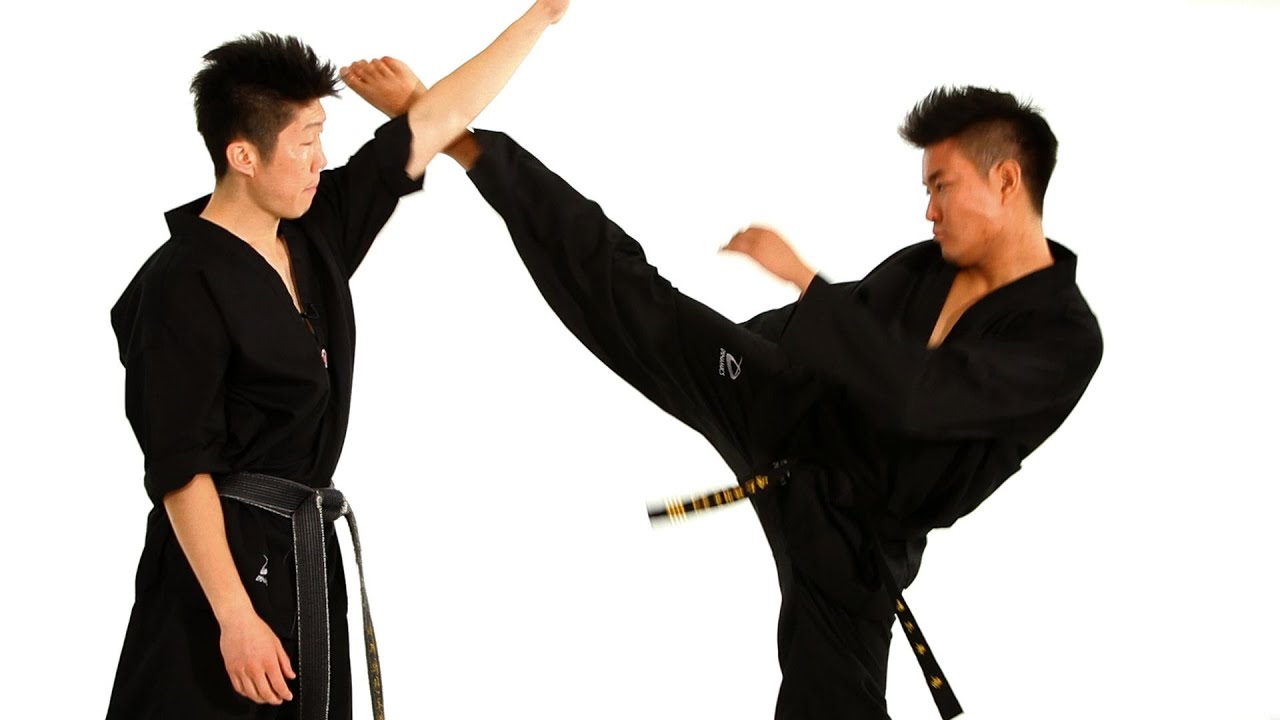
Taekwondo emphasizes fast and powerful kicks, making it a dynamic martial art.
Beginner benefits:
- Improves flexibility and balance
• Develops speed and agility
• Builds lower-body strength
• Enhances coordination
Practical Use Case:
Taekwondo techniques can help create distance from an attacker using quick and powerful kicks.
It is suitable for beginners who prefer dynamic movement and flexibility-based training.
How to Choose the Right Martial Art
Choosing the right martial art depends on your personal goals and preferences.
MMA if:
A complete self-defense system combining striking and grappling. It prepares practitioners for real-life situations by covering both standing and ground combat scenarios.
BJJ if:
A technique-based approach focused on leverage rather than strength feels more suitable. It is ideal for learning how to control opponents and defend effectively on the ground.
Muay Thai or Boxing if:
Developing strong striking skills with punches, kicks, and fast combinations. These styles help improve speed, coordination, and confidence in stand-up situations.
Kung Fu if:
A balanced approach that combines fitness, discipline, and traditional techniques. It enhances flexibility, coordination, and overall body control while building mental focus.
Krav Maga if:
Practical, real-world self-defense training that focuses on quick, effective techniques designed to help escape danger and respond under pressure.
Beginner Tips for Self-Defense Training
- Start with Basic Techniques First
Focus on learning fundamental movements such as stance, balance, and simple strikes. Building a strong foundation ensures long-term progress and reduces the risk of injury during training.
- Train Consistently (2–4 Times Per Week)
Consistency is key for developing muscle memory and improving reaction time. Regular training helps reinforce techniques and builds confidence over time.
- Practice Situational Awareness
Self-defense begins with awareness. Learn to observe your surroundings, avoid risky situations, and stay alert in public spaces.
- Combine Strength and Conditioning
Include basic fitness training such as bodyweight exercises, cardio, and flexibility work to support your martial arts performance.
- Learn to Stay Calm Under Pressure
Mental control is just as important as physical ability. Practice breathing techniques and controlled movements to stay focused in stressful situations.
Common Mistakes Beginners Should Avoid
Starting martial arts can be exciting, but beginners often make common mistakes that slow down progress:
- Trying advanced techniques too early
• Ignoring proper form and technique
• Training inconsistently
• Relying only on strength instead of technique
• Skipping warm-ups and recovery
Avoiding these mistakes ensures safe and effective progress in your self-defense journey.
Conclusion
Learning self defense martial arts for beginners is one of the most effective ways to improve personal safety, build confidence, and enhance overall fitness. Each martial art offers unique advantages, whether it’s the versatility of MMA training for beginners, the technical control of BJJ, or the practical approach of Krav Maga.
For beginners, the key is to start with a style that feels comfortable and aligns with your goals. Over time, combining different techniques can create a more well-rounded skill set.
Ultimately, self defense training is not just about fighting, it’s about awareness, confidence, and the ability to protect yourself when it matters most. With consistent practice, you can develop both the physical and mental strength needed to handle real-world situations.
FAQ
- What is the best martial art for beginners in self-defense?
MMA and Krav Maga are considered the most practical for beginners. - How long does it take to learn self-defense?
Basic skills can be learned in 2–3 months with consistent training. - Is MMA good for beginners?
Yes, mma training for beginners provides structured and practical learning. - Can martial arts improve confidence?
Yes, training builds both physical ability and mental confidence. - Do I need to be fit to start?
No, beginners can start at any fitness level. - Is kung fu useful for self-defense?
Yes, kung fu training teaches both defensive and offensive techniques. - How often should I train?
2–4 sessions per week are ideal for beginners. - Which martial art is best for smaller individuals?
Brazilian Jiu-Jitsu is ideal because it relies on technique rather than strength. - Is self-defense training safe?
Yes, when practiced in a controlled and supervised environment. - Can I learn self-defense at home?
Basic techniques can be practiced at home, but proper training is recommended.