
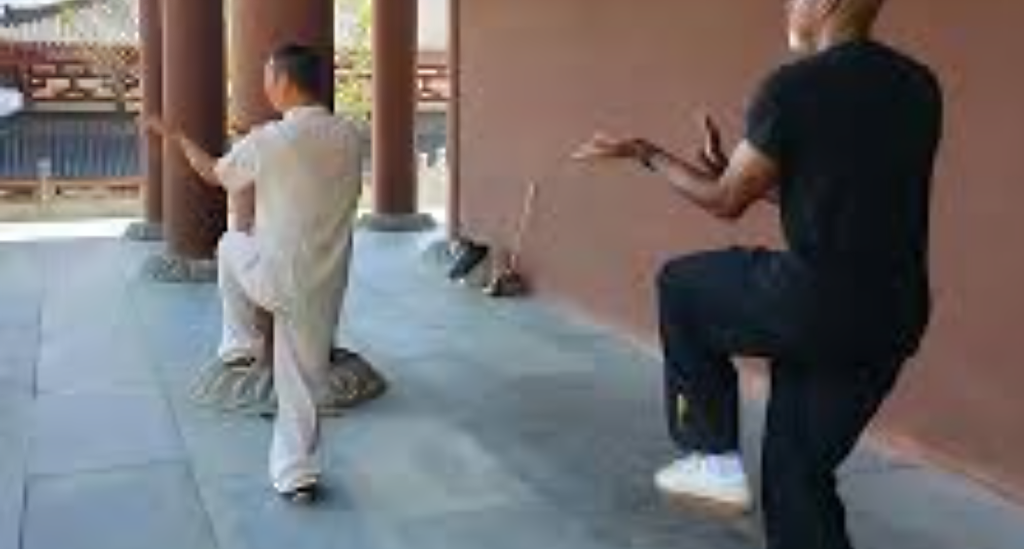
Maintaining good balance is essential for overall health, mobility, and confidence in daily movement. As people age or lead sedentary lifestyles, balance can gradually decline, increasing the risk of falls and injuries. One gentle yet highly effective way to improve stability is through tai chi exercises for beginners. This traditional practice focuses on slow, mindful movements that strengthen the body while enhancing coordination and body awareness.
In this guide, you will learn several tai chi exercises for beginners designed to improve balance and coordination. These easy movements can be practiced regularly at home and require minimal space or equipment. If you’re new to this practice and want a deeper understanding of Tai Chi, its philosophy, and its role within Chinese martial arts, you can explore our Complete Guide to Tai Chi & Chinese Martial Arts for a broader overview
Why Tai Chi Is Effective for Improving Balance
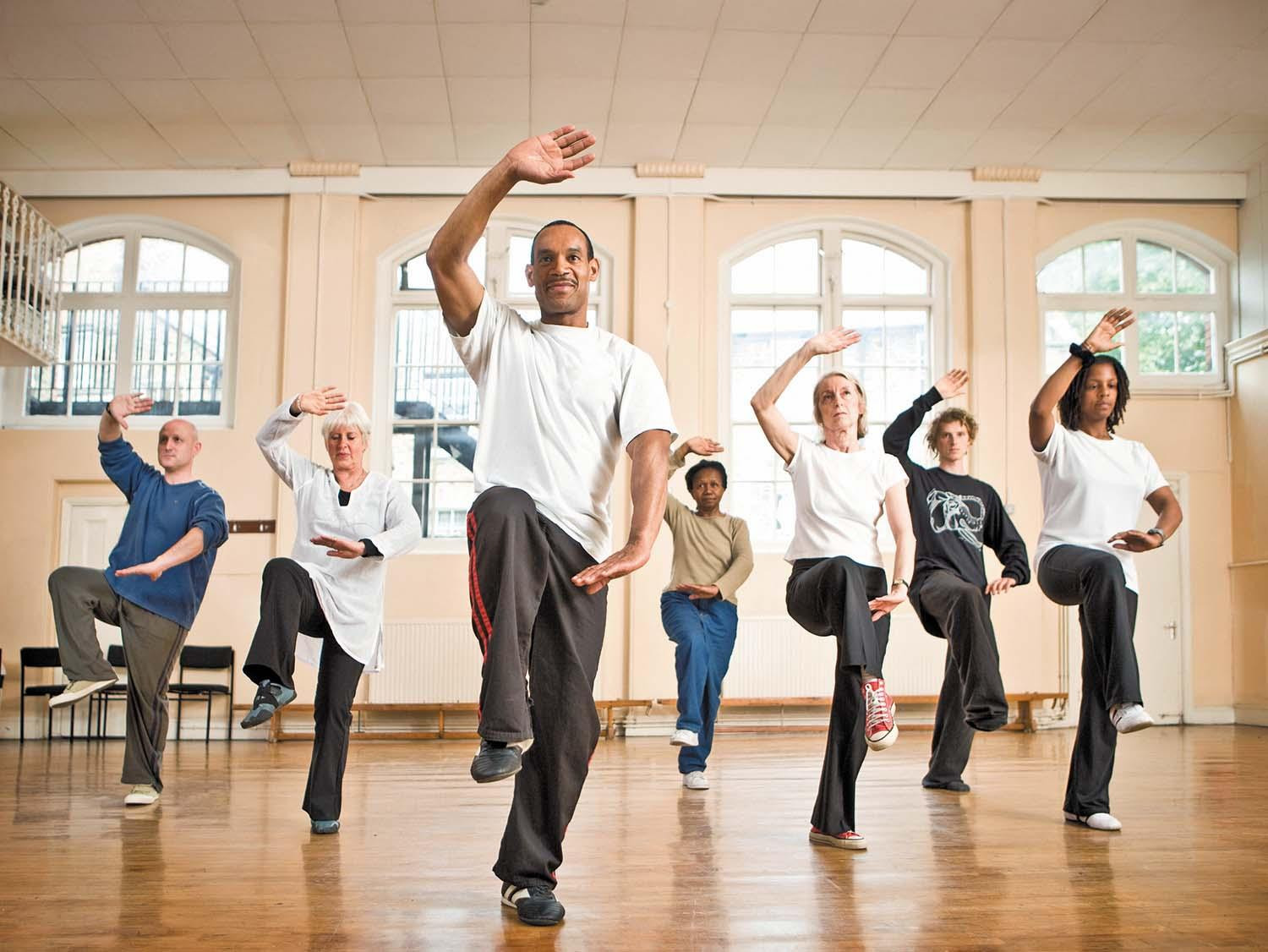
Tai Chi is widely recognized for its ability to improve balance because it focuses on slow, controlled movements and conscious weight shifting. Unlike many exercises that emphasize speed or intensity, Tai Chi teaches practitioners to move with stability and awareness.
Several elements of Tai Chi contribute to better balance:
- Controlled weight shifting between the legs strengthens stabilizing muscles.
- Slow and deliberate movements improve coordination and body control.
- Mind-body awareness enhances focus on posture and alignment.
- Gentle strengthening of the legs and coresupports stability.
- Improved flexibility allows smoother transitions between movements.
These elements make Tai Chi especially beneficial for beginners who want to build balance gradually without placing excessive strain on the joints.
Preparing for Tai Chi Practice
Before beginning any Tai Chi routine, it is important to prepare properly. A relaxed environment and good posture will help you perform movements safely and effectively.
Here are a few simple steps to prepare for practice:
- Wear comfortable clothing that allows free movement.
- Practice on a flat, stable surface.
- Choose a quiet space where you can focus.
- Keep your movements slow and controlled.
- Maintain relaxed breathing throughout the exercise.
Beginners should also learn a few basic tai chi posture and flow tips before starting their routine, discussed further in this blog. Proper posture helps maintain balance and prevents unnecessary strain during movement.
Best Tai Chi Exercises for Beginners to Improve Balance
The following tai chi exercises for beginners are simple movements that focus on improving stability and body awareness. Practicing them regularly can strengthen your legs, enhance coordination, and help you develop better balance.
-
Basic Tai Chi Starting Stance
Every Tai Chi session begins with a balanced stance that helps center the body and prepare the mind.

Steps
- Stand with your feet shoulder-width apart.
- Slightly bend your knees to create a relaxed stance.
- Keep your back straight and shoulders relaxed.
- Let your arms rest naturally at your sides.
- Take slow, deep breaths and focus on maintaining balance.
Benefits
- Improves body alignment
- Creates a stable foundation for movement
- Helps develop body awareness
Practicing this stance regularly helps beginners become comfortable with maintaining balance before adding more complex movements.
-
Weight Shifting Exercise
Weight shifting is one of the most important movements in Tai Chi. It trains your body to transfer weight smoothly from one leg to the other.

Steps
- Begin in the basic Tai Chi stance.
- Slowly shift your body weight onto your right leg.
- Hold the position for a few seconds while maintaining balance.
- Return to the center.
- Shift your weight to the left leg.
- Repeat the movement slowly.
Benefits
- Strengthens leg muscles
- Improves coordination
- Enhances balance control
This simple movement teaches beginners how to stabilize their body during transitions, which is essential for many Tai Chi techniques.
-
Cloud Hands Movement
Cloud Hands is one of the most recognizable Tai Chi movements. It involves gentle circular hand motions combined with weight shifting.

Steps
- Stand in a relaxed stance with your knees slightly bent.
- Raise one hand to chest level and move it slowly across your body.
- At the same time, shift your weight gently to one side.
- Move the other hand in a circular motion below the first hand.
- Continue alternating your hands while shifting your weight from side to side.
Benefits
- Improves coordination between upper and lower body
- Enhances fluid movement
- Strengthens balance during transitions
Practicing Cloud Hands regularly helps develop rhythm and flow in Tai Chi movements.
-
Parting the Wild Horse’s Mane
This traditional Tai Chi movement combines stepping and arm movements to improve coordination and balance.
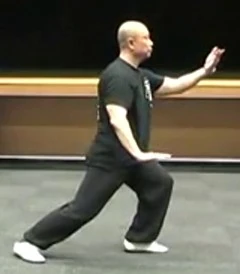
Steps
- Begin in a relaxed stance.
- Step forward slowly with one foot.
- As you step forward, raise one hand in front of your chest.
- Move the other hand downward as if guiding energy forward.
- Shift your body weight onto the front leg.
- Return to the starting position and repeat on the opposite side.
Benefits
- Improves coordination between arms and legs
- Strengthens the lower body
- Encourages smooth, controlled movement
This movement teaches beginners how to maintain balance while stepping forward.
-
Golden Rooster Stands on One Leg
This exercise is excellent for developing single-leg balance and improving stability.

Steps
- Stand upright with your feet shoulder-width apart.
- Slowly lift one knee toward your chest.
- Raise the opposite hand slightly in front of you.
- Balance on the standing leg for a few seconds.
- Lower your leg slowly and return to the starting position.
- Repeat on the other side.
Benefits
- Improves single-leg balance
- Strengthens core and leg muscles
- Enhances body control
This exercise may feel challenging at first, but with consistent practice your balance will gradually improve.
Important Tai Chi Posture and Flow Tips
Correct posture and smooth transitions are essential for improving balance through Tai Chi. Beginners often focus on the movements themselves, but proper technique plays an equally important role.
Here are a few important tai chi posture and flow tips to remember during practice:
- Keep your spine upright and relaxed.
- Avoid stiff or rigid movements.
- Move slowly and maintain steady breathing.
- Keep your shoulders relaxed and your arms soft.
- Focus on shifting weight smoothly between your legs.
- Maintain awareness of your center of gravity.
These tai chi posture and flow tips help ensure that movements remain controlled and balanced, which is essential for both beginners and experienced practitioners.
How Often Beginners Should Practice
Consistency is key when learning tai chi exercises for beginners. Regular practice helps strengthen muscles, improve coordination, and develop better balance over time.
For beginners, a good starting routine might include:
- Practicing 3–4 times per week
- Sessions lasting 10–20 minutes
- Repeating basic exercises to build familiarity
As your confidence grows, you can gradually extend your practice sessions and explore additional Tai Chi techniques.
Conclusion
Tai Chi offers a gentle and effective way to improve balance, coordination, and overall well-being. Through slow, controlled movements and mindful breathing, beginners can develop stability while strengthening the body and calming the mind. The tai chi exercises for beginners shared in this guide provide a solid starting point for anyone interested in learning this traditional practice.
By practicing regularly and focusing on proper technique, these movements can gradually improve balance and body awareness. Simple routines, including tai chi home exercises, allow beginners to build consistency and develop confidence in their practice.
FAQs
- What are the best Tai Chi exercises for beginners to improve balance?
Simple movements like weight shifting, Cloud Hands, and Golden Rooster help beginners develop stability. - Can Tai Chi really help improve balance for beginners?
Yes, Tai Chi improves balance by strengthening stabilizing muscles and teaching controlled weight shifting. - How often should beginners practice Tai Chi to improve balance?
Practicing Tai Chi 3–4 times per week for 10–20 minutes can gradually improve balance. - How long does it take to see balance improvements with Tai Chi?
Many beginners notice better stability and coordination within a few weeks of regular practice. - Is Tai Chi safe for people with poor balance?
Yes, Tai Chi uses slow and controlled movements that help improve balance safely over time. - Which Tai Chi movement helps the most with balance training?
The Golden Rooster Stands on One Leg exercise is especially helpful for improving single-leg balance. - Do beginners need a lot of space to practice Tai Chi at home?
No, most basic Tai Chi exercises can be practiced in a small, quiet space at home. - What posture tips help beginners maintain balance during Tai Chi?
Keeping the spine upright, bending the knees slightly, and shifting weight smoothly helps maintain balance. - Are Tai Chi home exercises effective for balance training?
Yes, practicing simple Tai Chi exercises at home consistently can significantly improve balance and coordination. - What are some important Tai Chi posture and flow tips for beginners?
Beginners should keep movements slow, maintain relaxed posture, and focus on smooth weight shifting.