Introduction
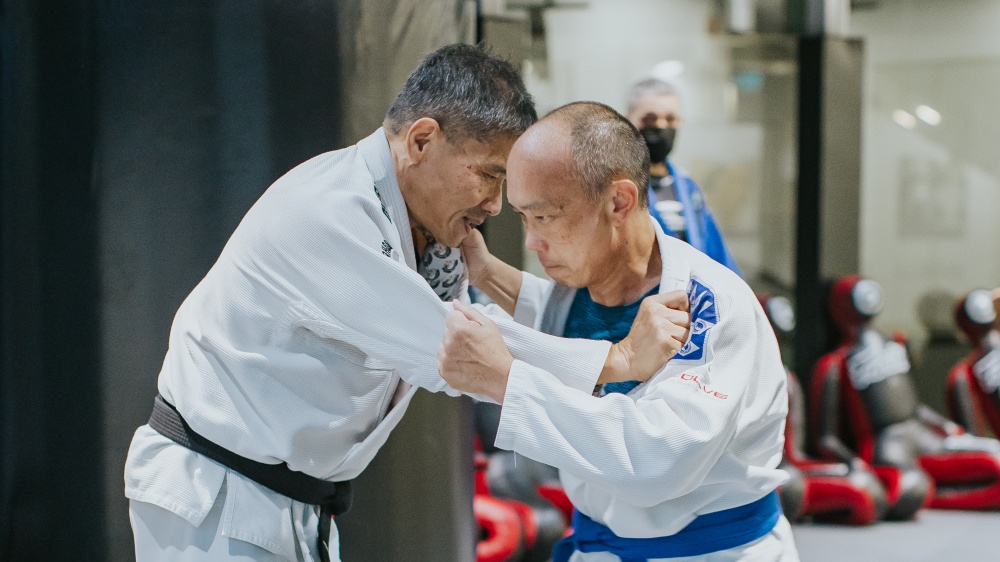
Staying active becomes increasingly important with age, but not all forms of exercise are suitable for seniors. High-impact workouts can put stress on joints and increase the risk of injury. This is where martial arts for seniors offer a safe, effective, and engaging alternative.
Martial arts are not just about combat—they are structured systems of movement that improve strength, balance, flexibility, and mental focus. Many styles can be adapted for older adults, making them accessible regardless of fitness level or prior experience.
Whether practiced in a class or as a martial arts home workout, these exercises help seniors maintain mobility, reduce stress, and improve overall quality of life in a safe and controlled way.
Why Martial Arts Are Ideal for Seniors
Unlike traditional workouts, martial arts focus on controlled, functional movements that support everyday activities. This makes them especially beneficial for seniors who want to stay active without risking injury.
One of the key advantages is adaptability. Movements can be slowed down, simplified, or modified based on individual ability. This allows seniors to train comfortably while still gaining meaningful physical and mental benefits.
In addition, martial arts promote consistency through skill-based learning. Instead of repetitive exercises, each session introduces purposeful movements that keep training engaging and enjoyable.
Benefits of Martial Arts for Seniors
Martial arts provide a wide range of benefits that go beyond physical fitness. For seniors, these benefits support both independence and long-term health.
- Improved Balance and Stability
Balance tends to decline with age, increasing the risk of falls. Martial arts movements focus on weight shifting, controlled steps, and stable stances, which significantly improve balance and coordination. Over time, this leads to greater confidence in daily movements.
- Increased Strength and Mobility
Low-impact techniques help build strength without putting excessive strain on joints. Gentle resistance from bodyweight movements improves muscle tone, while stretching enhances joint mobility and flexibility.
- Better Mental Focus and Memory
Learning and practicing techniques require concentration and coordination. This stimulates the brain, improves memory, and supports cognitive health, making martial arts beneficial for mental sharpness.
- Stress Relief and Emotional Wellbeing
Martial arts training encourages controlled breathing and mindful movement. Practices like tai chi for seniors are especially effective in reducing stress, promoting relaxation, and improving emotional balance.
These combined benefits make martial arts a powerful tool for maintaining both physical health and mental wellbeing in later years. With regular practice, seniors can experience improved confidence, independence, and overall quality of life.
Best Martial Arts Styles for Seniors
Not all martial arts are the same. Some styles are more suitable for seniors due to their low-impact nature and focus on controlled movement.
Tai Chi: Gentle and Meditative Training
Tai chi for seniors is one of the most recommended forms of martial arts. It involves slow, flowing movements combined with deep breathing, making it ideal for improving balance and reducing stress.
It is particularly beneficial for:
• Joint health and flexibility
• Fall prevention
• Relaxation and mental clarity
Kung Fu (Modified Training)
While traditional kung fu can be intense, modified versions focus on basic stances, light movements, and coordination exercises. This makes it suitable for seniors who want a slightly more active routine while still maintaining safety.
Light MMA-Inspired Fitness
Simplified mma training elements such as controlled movements, light shadowboxing, and basic coordination drills can be adapted for seniors. These exercises improve cardiovascular health without requiring intense physical contact.
Choosing the right style depends on individual comfort, fitness level, and personal goals. A balanced approach combining gentle and active movements can deliver the best long-term results safely.
Safe Martial Arts Training Tips for Seniors
Safety is the most important factor when starting martial arts at an older age. Following the right approach ensures effective and injury-free training.
Start Slowly and Progress Gradually
Beginners should begin with simple movements and short sessions. Gradually increasing intensity allows the body to adapt without strain or discomfort.
Focus on Low-Impact Movements
Avoid high-impact techniques such as jumping or rapid directional changes. Instead, focus on controlled, steady movements that protect joints and muscles.
Prioritize Proper Technique
Correct form is essential for safety and effectiveness. Learning movements properly reduces the risk of injury and improves long-term results.
Listen to Your Body
Discomfort is a signal to slow down or rest. Seniors should avoid pushing through pain and allow enough recovery time between sessions.
Train Under Guidance When Possible
Joining a class or working with an instructor ensures proper supervision and personalized adjustments based on ability.
Following these safety tips helps create a supportive and sustainable training routine for seniors. With the right approach, martial arts can be practiced confidently while minimizing risks and maximizing long-term benefits.
Martial Arts Home Workout for Seniors
For those who prefer to train at home, a martial arts home workout can be a convenient and effective option. These routines require minimal space and no equipment.
Simple Home Routine
Warm-Up (5–10 Minutes)
• Gentle walking or marching in place
• Arm and shoulder rotations
• Light stretching
Basic Movements (10–15 Minutes)
• Slow punches and arm extensions
• Controlled stepping and weight shifting
• Light balance exercises
Balance and Coordination (10 Minutes)
• Standing on one foot (with support if needed)
• Slow directional steps
• Controlled turning movements
Cool Down (5–10 Minutes)
• Gentle stretching
• Deep breathing exercises
• Relaxation techniques
This routine helps improve strength, balance, and flexibility while remaining safe and manageable.
How Often Should Seniors Train?
Consistency is key, but training frequency should be balanced with adequate rest.
A recommended schedule includes:
- 3–4 sessions per week for steady improvement
• Short sessions of 20–30 minutes
• Rest days to allow recovery
Light daily activities, such as tai chi for seniors, can also be practiced regularly for additional benefits without overexertion.
Common Mistakes Seniors Should Avoid
Avoiding common mistakes helps ensure safe and effective progress.
- Training too intensely in the beginning
• Skipping warm-ups and cool-downs
• Ignoring proper technique
• Not allowing enough recovery time
• Comparing progress with younger individuals
Taking a gradual and patient approach leads to better long-term results.
How Martial Arts Support Independence
One of the most valuable benefits of martial arts for seniors is the ability to maintain independence. Improved strength, balance, and coordination make everyday activities easier and safer.
Simple actions such as walking, climbing stairs, or carrying objects become more manageable with regular training. This reduces reliance on others and enhances overall confidence in daily life.
Additionally, improved reaction time and awareness can help prevent accidents, further supporting a safe and independent lifestyle.
Mental and Emotional Benefits of Training
Beyond physical health, martial arts provide significant mental and emotional benefits for seniors.
Training creates a sense of routine and purpose, which is important for maintaining motivation and mental wellbeing. The learning process keeps the mind active and engaged.
Practices like tai chi for seniors also promote relaxation through breathing and mindfulness. This helps reduce anxiety, improve sleep quality, and create a sense of calm.
Over time, these benefits contribute to a more positive and balanced lifestyle.
Conclusion
Martial arts for seniors offer a safe, low-impact, and highly effective way to stay active while improving both physical and mental health. With adaptable techniques and controlled movements, seniors can build strength, enhance balance, and reduce stress without risking injury.
Whether practiced in a class or through a martial arts home workout, consistency and proper technique are key to long-term success. Starting slowly and focusing on gradual progress ensures a safe and enjoyable experience.
By incorporating martial arts into their routine, seniors can maintain independence, improve confidence, and support overall wellbeing for years to come.
FAQ
- Are martial arts safe for seniors?
Yes, when practiced with low-impact techniques and proper guidance, they are safe and beneficial. - What is the best martial art for seniors?
Tai chi for seniors is one of the safest and most effective options. - Can seniors start martial arts with no experience?
Yes, beginner-friendly programs are designed for all fitness levels. - How often should seniors train?
3–4 times per week is ideal. - Do martial arts help with balance?
Yes, they significantly improve balance and coordination. - Can seniors practice martial arts at home?
Yes, a martial arts home workout is a convenient option. - Is martial arts good for mental health?
Yes, it improves focus, reduces stress, and supports emotional wellbeing. - Do martial arts require equipment?
No, most beginner routines require little to no equipment. - Can martial arts help prevent falls?
Yes, improved balance and strength reduce fall risk. - How long before seeing results?
Most seniors notice improvements within a few weeks of consistent training.