Introduction
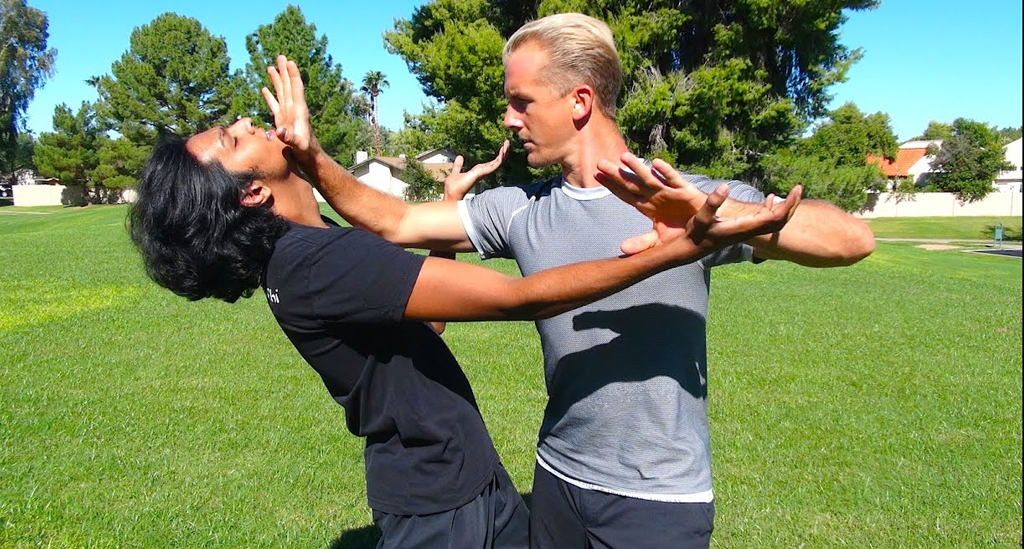
Martial arts have long been associated with physical strength, discipline, and mental focus. Among the many traditional systems, kung fu training stands out as one of the most dynamic and physically demanding practices within the world of chinese martial arts. Known for its powerful movements, structured techniques, and deep-rooted philosophy, kung fu offers a comprehensive approach to fitness and self-development.
While tai chi quan represents the internal, slow, and mindful side of martial arts, kung fu reflects the external, energetic, and physically intense aspect. Understanding how these two systems relate, especially in discussions like kung fu vs tai chi, helps beginners see how strength and discipline can be developed through different approaches.
In this guide, we will explore the fundamentals of kung fu training, key techniques involved, its physical and mental benefits, and how it complements practices like tai chi quan.
Understanding Kung Fu Training in Chinese Martial Arts
Kung fu is not just a martial art, it is a system of disciplined practice aimed at mastering movement, strength, and technique over time. The term “kung fu” itself refers to skill developed through consistent effort and dedication.
Within chinese martial arts, kung fu training focuses on:
- Structured movement patterns
- Physical conditioning
- Combat techniques
- Mental discipline
Unlike purely fitness-based workouts, kung fu combines technique and repetition to build both body and mind. Students’ progress gradually, starting with basic stances and movements before advancing to more complex forms and applications.
This structured progression makes kung fu training a lifelong practice rather than a short-term fitness routine.
Key Techniques in Kung Fu Training
Kung fu training includes a variety of techniques that develop strength, coordination, and control. Each component plays a role in building overall martial ability.
- Stance Training
Stances form the foundation of kung fu.
Common stances include:
- Horse stance (Ma Bu)
- Front stance (Gong Bu)
- Cat stance (Xu Bu)
These positions build lower-body strength and stability. Holding stances for extended periods strengthens muscles and improves posture.
- Striking Techniques
Kung fu emphasizes precise and powerful strikes.
These include:
- Punches
- Palm strikes
- Elbow techniques
- Kicks
Practicing these movements improves coordination, speed, and power. Repetition helps develop muscle memory and control.
- Forms (Taolu)
Forms are sequences of movements that combine techniques into a structured routine.
- They improve coordination and flow
- Teach proper technique and rhythm
- Build endurance and focus
Forms are a central part of kung fu training, allowing practitioners to refine movements and understand martial applications.
- Conditioning Exercises
Kung fu training includes physical conditioning such as:
- Strength training
- Flexibility exercises
- Balance drills
These exercises enhance overall fitness and prepare the body for more advanced techniques.
Kung Fu vs Tai Chi: Different Paths to Mastery
When comparing kung fu vs tai chi, the differences are clear, yet both share common roots within chinese martial arts.
Movement Style
- Kung fu: Fast, explosive, and powerful
- Tai chi: Slow, flowing, and controlled
Training Focus
- Kung fu training develops strength, speed, and combat skills
- Tai chi focuses on balance, internal energy, and relaxation
Physical Intensity
- Kung fu is physically demanding and high-energy
- Tai chi is low-impact and gentle
Purpose
- Kung fu is often practiced for self-defense and athletic development
- Tai chi is widely practiced for health and mental wellbeing
Despite these differences, both systems complement each other. Many practitioners combine tai chi and kung fu to develop both internal and external strength.
Benefits of Kung Fu Training
Practicing kung fu offers a wide range of physical and mental benefits.
Physical Strength and Endurance
Kung fu training builds muscular strength through stances, strikes, and conditioning exercises. Over time, practitioners develop improved endurance and physical resilience.
Improved Coordination and Reflexes
Fast movements and structured drills enhance coordination and reaction time. This helps improve performance in both martial arts and everyday activities.
Flexibility and Mobility
Stretching and dynamic movements improve flexibility and joint mobility, reducing stiffness and enhancing range of motion.
Discipline and Mental Focus
Kung fu training requires concentration, repetition, and patience. Practitioners develop mental discipline and the ability to stay focused under pressure.
Confidence and Self-Control
Learning martial techniques builds confidence and self-awareness. Practitioners gain better control over their movements and reactions.
Combining Tai Chi Quan with Kung Fu Training
While kung fu emphasizes external strength, tai chi quan focuses on internal balance and control. Combining both practices can create a well-rounded training approach.
Complementary Benefits
- Tai chi improves balance and relaxation
- Kung fu builds strength and power
- Together, they enhance overall performance
Balanced Training Approach
Practicing tai chi alongside kung fu training helps:
- Reduce muscle tension
- Improve recovery
- Enhance coordination
This combination allows practitioners to develop both physical strength and mental calmness.
How Beginners Can Start Kung Fu Training
Starting kung fu may seem challenging, but beginners can build a strong foundation with the right approach.
- Learn Basic Stances First
Focus on mastering foundational stances before moving on to advanced techniques. Strong stances provide stability and improve overall performance.
- Practice Simple Techniques
Begin with basic punches, kicks, and movements. Repetition helps develop coordination and muscle memory.
- Follow a Structured Routine
Consistent practice is key. Even short sessions of kung fu training can lead to gradual improvement.
- Combine Training with Flexibility Work
Stretching and mobility exercises help prevent injury and improve performance.
- Stay Patient and Consistent
Progress in martial arts takes time. Regular practice builds strength, confidence, and skill over time.
The Role of Discipline in Kung Fu Training
Discipline is one of the most important aspects of kung fu. Unlike casual exercise routines, kung fu requires dedication and consistency.
Practitioners learn to:
- Follow structured training routines
- Practice techniques repeatedly
- Maintain focus and control
This discipline extends beyond training, influencing daily habits, work ethic, and personal growth.
Long-Term Growth Through Kung Fu Training
With consistent practice, kung fu training becomes more than physical exercise. It becomes a path for personal development.
Over time, practitioners experience:
- Improved physical fitness
- Greater mental clarity
- Increased self-confidence
- Stronger mind-body connection
Because it combines technique, discipline, and philosophy, kung fu remains a lifelong journey within chinese martial arts.
Conclusion
Kung fu training offers a powerful way to build strength, discipline, and mental focus. As one of the most dynamic forms of chinese martial arts, it challenges both the body and mind through structured techniques and consistent practice.
When exploring kung fu vs tai chi, it becomes clear that each approach offers unique benefits. Kung fu develops external strength and speed, while tai chi enhances balance and internal awareness. Together, they provide a complete path to physical and mental wellbeing.
For beginners, starting with basic techniques and maintaining a consistent routine is the key to progress. With patience and dedication, kung fu training becomes more than exercise—it becomes a lifelong practice of strength, discipline, and personal growth.
FAQ
- What is kung fu training?
Kung fu training is a structured martial arts practice focused on strength, technique, and discipline. - Is kung fu suitable for beginners?
Yes, beginners can start with basic stances and movements and progress gradually. - How often should I practice kung fu?
Practicing two to four times per week helps build strength and coordination. - What is the difference between kung fu vs tai chi?
Kung fu focuses on fast, powerful movements, while tai chi emphasizes slow, flowing motions. - Does kung fu improve fitness?
Yes, it builds strength, endurance, flexibility, and coordination. - Can I combine tai chi with kung fu training?
Yes, combining both improves balance, strength, and overall performance. - Do I need equipment for kung fu training?
No special equipment is required for beginners. - How long does it take to learn kung fu?
Basic skills can be learned in months, but mastery takes years. - Is kung fu part of chinese martial arts?
Yes, it is one of the most well-known systems within chinese martial arts. - What are the main benefits of kung fu training?
Strength, discipline, coordination, confidence, and mental focus.