Introduction
Chinese martial arts have fascinated practitioners and enthusiasts for centuries. Known for their combination of discipline, philosophy, and physical training, these practices go far beyond combat techniques. Today, chinese martial arts are practiced worldwide for fitness, self-defense, mental focus, and cultural appreciation.
Two of the most widely recognized styles within Chinese martial arts are kung fu and tai chi. While both originate from ancient Chinese traditions, they differ in their training methods, intensity, and purpose. Some practitioners focus on dynamic kung fu training, while others prefer the slow and meditative movements of tai chi.
Understanding the differences and similarities between these styles helps beginners choose the right path for their goals. In this guide, we’ll explore the origins of Chinese martial arts, examine the key characteristics of kung fu and tai chi, compare kung fu vs tai chi, and highlight the physical and mental benefits of practicing these traditional disciplines.
Origins of Chinese Martial Arts
The roots of chinese martial arts date back thousands of years. Early systems developed as methods of self-defense, military training, and physical conditioning.
Ancient Chinese soldiers practiced combat techniques to prepare for battle, while monks and scholars developed martial arts as a way to strengthen the body and cultivate inner discipline. Over time, these practices evolved into structured systems that combined philosophy, movement, and spiritual awareness.
Chinese martial arts were also influenced by traditional Chinese philosophies such as Taoism and Confucianism, which emphasize harmony, balance, and self-cultivation. These principles shaped the way martial arts were taught and practiced.
Throughout history, various styles emerged across different regions of China. Some systems focused on explosive strength and combat effectiveness, while others emphasized internal energy, balance, and controlled movement.
Today, chinese martial arts continue to evolve while preserving their deep cultural roots.
What Is Kung Fu?
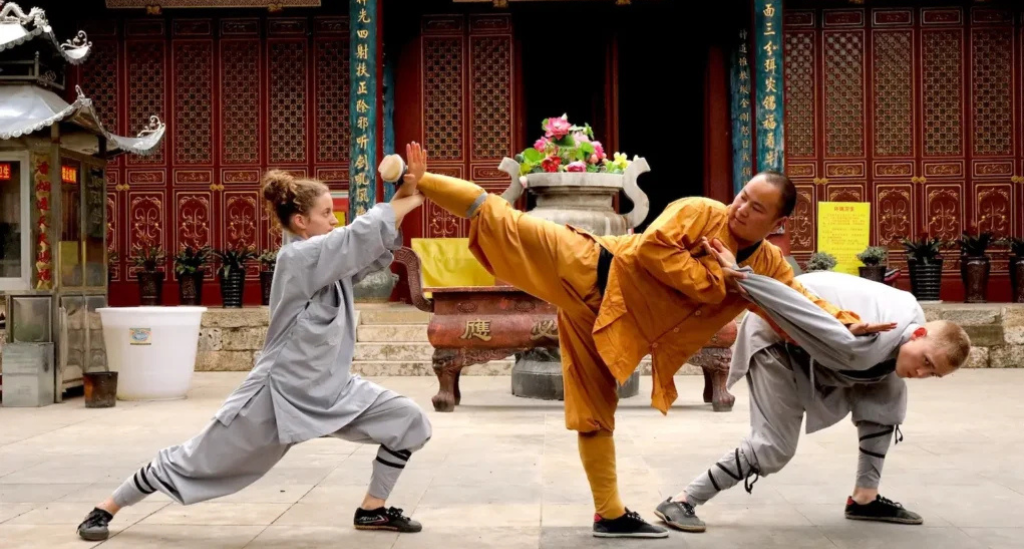
Kung fu is one of the most widely recognized forms of Chinese martial arts. The term “kung fu” generally refers to martial arts that emphasize physical strength, agility, and dynamic techniques.
Key Characteristics of Kung Fu
Kung fu includes a wide variety of training methods designed to develop both physical and mental discipline.
-
Dynamic Techniques
Kung fu movements often involve powerful strikes, kicks, blocks, and defensive maneuvers. These techniques require speed, coordination, and strength.
-
Structured Training
Traditional kung fu training includes forms (called “taolu”), sparring practice, conditioning exercises, and weapons training.
-
Physical Conditioning
Kung fu emphasizes strength, endurance, flexibility, and explosive power. Students develop strong muscles and improved athletic performance through consistent practice.
-
Self-Defense Skills
Because kung fu originated as a combat system, it includes practical techniques designed for real-world self-defense.
Many students choose kung fu because they enjoy fast-paced martial arts training that builds both confidence and physical capability.
What Is Tai Chi?
Tai chi, also known as tai chi chuan, is another major branch of chinese martial arts. Unlike kung fu, tai chi focuses on slow, flowing movements combined with deep breathing and relaxation.
Originally developed as a martial art, tai chi later became widely practiced for health, balance, and stress reduction.
Key Characteristics of Tai Chi
-
Slow and Flowing Movements
Tai chi movements are smooth and continuous, allowing practitioners to develop balance, coordination, and body awareness.
-
Internal Energy Development
Tai chi training focuses on cultivating internal energy, often referred to as “qi.” Movements are performed with controlled breathing and mindful attention.
-
Low-Impact Exercise
Because tai chi movements are gentle and controlled, they are suitable for people of all ages and fitness levels.
-
Mind-Body Connection
Tai chi encourages relaxation, concentration, and mental clarity while strengthening the body.
These qualities make tai chi one of the most popular chinese martial arts for wellness and long-term health.
Kung Fu vs Tai Chi
When exploring kung fu vs tai chi, beginners often wonder which style is better. The answer depends on personal goals and preferences.
Training Intensity
Kung fu training tends to be physically demanding, with fast movements and challenging conditioning exercises. Tai chi, on the other hand, emphasizes gentle movements and controlled breathing.
Purpose
Kung fu is often practiced for self-defense and athletic performance. Tai chi is commonly practiced for health, relaxation, and internal balance.
Movement Style
Kung fu techniques are typically explosive and powerful. Tai chi movements are slow, flowing, and continuous.
Physical Benefits
Both practices improve flexibility, coordination, and strength, but they do so in different ways. Kung fu builds muscular power and endurance, while tai chi enhances balance and body awareness.
Understanding kung fu vs tai chi helps students choose the training style that best suits their needs.
Health Benefits of Chinese Martial Arts
One reason chinese martial arts remain popular worldwide is their wide range of physical and mental health benefits.
Physical Benefits
Improved Strength and Flexibility
Both kung fu and tai chi require controlled body movements that strengthen muscles and increase flexibility.
Better Balance and Coordination
Practicing martial arts improves body control and stability. Tai chi is particularly effective for enhancing balance and preventing falls.
Cardiovascular Fitness
Dynamic kung fu training increases heart rate and endurance, providing a full-body workout.
Joint Mobility
The movements used in Chinese martial arts encourage healthy joint motion and reduce stiffness.
Mental Benefits
Increased Focus and Discipline
Martial arts training requires concentration and precision. Students learn to stay mentally present while performing movements.
Stress Reduction
Tai chi’s breathing techniques and slow movements promote relaxation and reduce stress.
Confidence and Self-Awareness
Learning martial arts techniques builds confidence and helps practitioners develop a stronger connection between mind and body.
Choosing the Right Martial Art for You
If you are interested in exploring chinese martial arts, choosing the right style depends on your personal goals.
Choose Kung Fu If You Want
- Intense physical training
- Practical self-defense skills
- High-energy martial arts practice
- Strength and endurance development
Choose Tai Chi If You Prefer
- Gentle and low-impact exercise
- Stress reduction and relaxation
- Balance and mobility improvement
- Mindful movement and breathing
Many martial arts schools offer both styles, allowing students to experience the benefits of kung fu training and tai chi practice together.
Starting Your Journey in Chinese Martial Arts
Beginning your journey in chinese martial arts can be both exciting and rewarding. Beginners should focus on learning the fundamentals before progressing to advanced techniques.
Find a Qualified Instructor
Learning from an experienced teacher ensures correct technique and safe training practices.
Start with Basic Movements
Beginners often begin with foundational exercises that develop posture, balance, and coordination.
Practice Consistently
Short training sessions several times a week are more effective than occasional long sessions.
Be Patient
Martial arts mastery takes time. With consistent practice, students gradually develop strength, flexibility, and skill.
Whether you choose kung fu or tai chi, dedication and regular training will lead to steady improvement.
Conclusion
Chinese martial arts offer a unique blend of physical training, cultural tradition, and personal development. Styles such as kung fu and tai chi have evolved over centuries, each providing its own approach to movement, discipline, and self-cultivation.
Through dynamic kung fu training, practitioners develop strength, agility, and combat skills. Through tai chi, they cultivate balance, relaxation, and internal awareness.
Understanding the differences between kung fu vs tai chi allows beginners to choose the practice that best aligns with their goals. Regardless of the style, practicing chinese martial arts can lead to improved fitness, mental clarity, and lifelong wellbeing.
For many practitioners, martial arts become more than just exercise—they become a journey of continuous learning, self-improvement, and inner balance.
FAQ
- What are Chinese martial arts?
Chinese martial arts are traditional combat systems that combine self-defense techniques, physical training, and philosophical principles. - What is the difference between kung fu and tai chi?
Kung fu focuses on dynamic combat techniques, while tai chi emphasizes slow, flowing movements and internal energy development. - Is kung fu training suitable for beginners?
Yes, beginners can start with basic techniques and conditioning exercises before progressing to advanced training. - Are Chinese martial arts only for self-defense?
No, many people practice them for fitness, health, discipline, and mental focus. - Which is better for fitness: kung fu or tai chi?
Kung fu provides a more intense workout, while tai chi offers gentle exercise that improves balance and flexibility. - Can seniors practice Chinese martial arts?
Yes, tai chi is particularly suitable for seniors because of its low-impact movements. - How often should beginners train in martial arts?
Training two to three times per week is ideal for beginners to build skills gradually. - Do Chinese martial arts require special equipment?
Most beginner training requires only comfortable clothing and open practice space. - How long does it take to learn kung fu?
Basic techniques can be learned in a few months, but mastery requires years of dedicated practice. - Can I practice both kung fu and tai chi together?
Yes, many practitioners train in both styles to gain the benefits of external and internal martial arts.