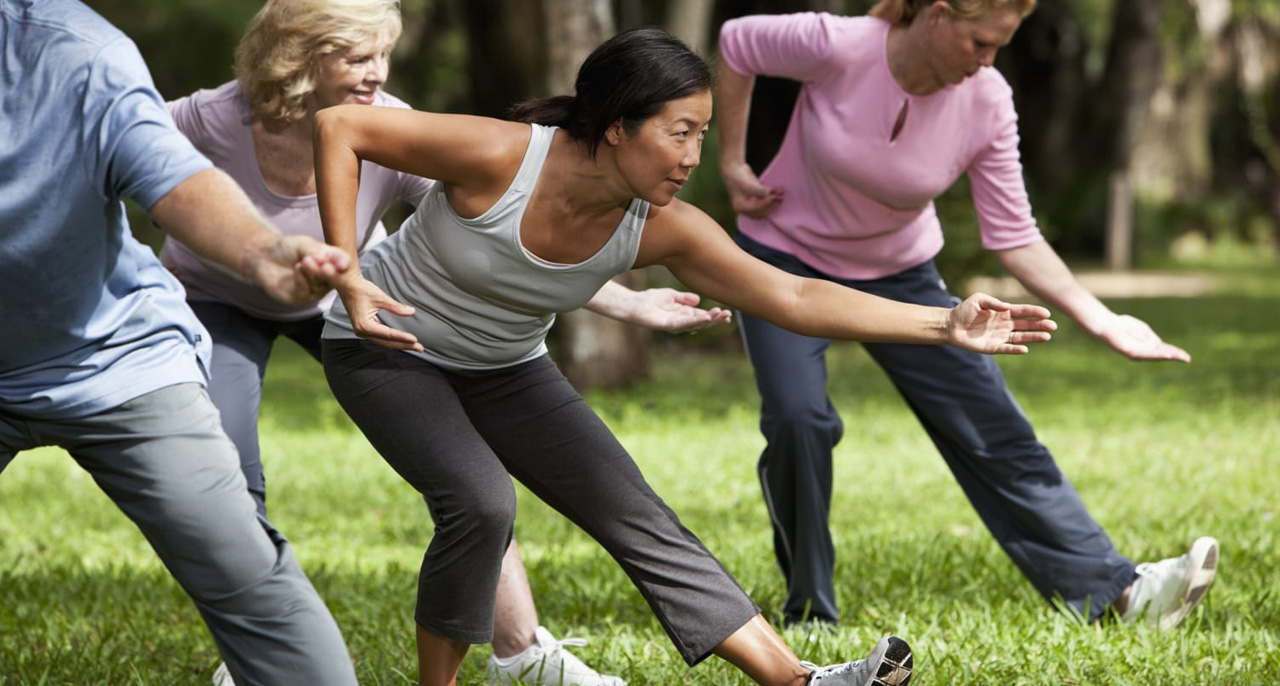
In today’s fast-paced world, stress has become a common challenge affecting physical, mental, and emotional health. One ancient practice that has gained widespread recognition for its calming and restorative effects is tai chi for stress relief. Known as “meditation in motion,” tai chi combines slow, deliberate movements with mindful breathing, creating a unique mind-body experience.
Originally developed as a Chinese martial art, tai chi is now widely practiced for wellness, balance, and relaxation. Its gentle, flowing sequences make it accessible to people of all ages, including beginners. Regular practice of daily tai chi exercises can provide mental clarity, emotional stability, and a greater sense of inner calm.
This guide explores the top five benefits of practicing tai chi for stress relief, offers beginner-friendly tips, and provides practical advice for incorporating tai chi into your daily routine.
-
Reduces Stress and Anxiety
One of the most well-known benefits of tai chi is its ability to reduce stress and anxiety. The practice encourages mindful movement, deep breathing, and focused attention, which collectively help calm the nervous system.
During tai chi exercises for beginners, slow and deliberate movements promote relaxation by reducing the body’s fight-or-flight response. This allows cortisol levels (the stress hormone) to decrease, helping you feel more centered and peaceful.
Recent research (2024–2025) strongly supports that Tai Chi is an effective, non-pharmacological, mind-body intervention for reducing stress and anxiety, particularly among older adults and high-stress populations.
Even a short daily tai chi exercise session of 10–20 minutes can help improve mood, reduce tension, and enhance emotional resilience.
Key Takeaways:
- Mindful motion reduces mental clutter
- Deep breathing lowers stress hormone levels
- Regular practice builds emotional stability
-
Enhances Mental Clarity and Focus
Tai chi requires concentration on posture, weight shifts, and breathing. This continuous attention develops mental clarity and focus over time.
Practicing tai chi exercises for beginners helps train the mind to stay present, reducing rumination and worry. The gentle rhythm of movements encourages a meditative state, improving cognitive function and memory.
For individuals experiencing mental fatigue or work-related stress, tai chi offers a natural method to regain focus without relying on stimulants or medications.
Key Takeaways:
- Encourages mindfulness and presence
- Improves concentration and cognitive awareness
- Reduces mental fatigue
-
Promotes Relaxation through Breath and Movement
Tai chi emphasizes the synchronization of breathing with movement. Coordinated, deep breathing combined with flowing motions relaxes the body at a physiological level.
Slow, rhythmic inhalations and exhalations during daily tai chi exercises activate the parasympathetic nervous system, responsible for the body’s “rest and digest” response. This promotes a sense of calm, lowers heart rate, and eases muscle tension.
Even beginners practicing simple tai chi exercises like the Basic Starting Stance or Weight Shifting can feel an immediate reduction in stress and increased physical relaxation.
Key Takeaways:
- Breath-movement coordination enhances calm
- Activates relaxation response in the body
- Reduces physical tension and promotes tranquility
-
Improves Sleep Quality
Stress often interferes with sleep, leading to insomnia or restless nights. Regular tai chi practice has been shown to improve sleep quality, especially among adults and older populations.
Through gentle movement, mindful breathing, and mental focus, tai chi helps regulate the nervous system and reduce nighttime anxiety. Consistent daily tai chi exercises can ease racing thoughts, helping practitioners fall asleep more easily and experience deeper rest.
Beginner-friendly sequences like Cloud Hands or Parting the Wild Horse’s Mane can be performed in the evening as a relaxing wind-down routine.
Key Takeaways:
- Reduces pre-sleep anxiety
- Enhances relaxation before bedtime
- Supports deeper, restorative sleep
-
Supports Emotional Well-Being and Mindfulness
Beyond stress relief, tai chi fosters emotional well-being. The practice encourages non-judgmental awareness of the body and mind, promoting self-compassion and acceptance.
As beginners engage in tai chi exercises, they learn to observe tension, gently release it, and move with awareness. This enhances mindfulness and emotional resilience, helping individuals respond calmly to daily challenges.
Practicing tai chi regularly builds a sense of accomplishment, empowerment, and inner balance, contributing to long-term mental and emotional health.
Key Takeaways:
- Enhances mindfulness and self-awareness
- Encourages emotional balance and resilience
- Builds long-term mental well-being
Beginner-Friendly Tips for Practicing Tai Chi for Stress Relief
- Start Small: Begin with 10–15 minutes per day to build consistency.
- Focus on Breathing: Coordinate slow breaths with movements for maximum relaxation.
- Use a Quiet Space: Choose a calm, safe environment free from distractions.
- Learn Basic Forms First: Start with simple tai chi exercises for beginners like Basic Stance, Weight Shifting, and Cloud Hands.
- Practice Daily: Even brief daily tai chi exercises reinforce mental focus and stress reduction.
- Be Patient: Tai chi is a skill developed over time; progress is gradual.
Integrating Tai Chi into Your Daily Routine
- Morning Start: Begin your day with 5–10 minutes of gentle warm-up and weight-shifting exercises. Starting your morning with daily tai chi exercises helps awaken the body slowly, improves circulation, and sets a calm, focused tone for the day. Even brief mindful movements can enhance mental clarity, reduce morning tension, and prepare you to approach daily tasks with a sense of balance and composure.
- Lunch Break Reset: Use your midday break to perform a quick tai chi sequence like Cloud Hands. This can help release accumulated tension from sitting or stress at work. Pausing to focus on your breath and slow movements refreshes your mind, restores energy levels, and encourages a relaxed, centered state, allowing you to return to work with improved focus and reduced stress.
- Evening Wind-Down: In the evening, practice moves such as Parting the Wild Horse’s Mane or slow breathing exercises to calm the body and mind. Evening tai chi encourages the nervous system to shift into “rest and digest” mode, easing muscle tension and racing thoughts. This mindful practice promotes restful sleep, helps you process the day’s stress, and supports emotional relaxation before bedtime.
Consistency matters more than duration. Even short, mindful sessions repeated daily gradually build resilience against stress, improve emotional balance, and foster a sense of calm and well-being throughout the day. Over time, these small practices become an integral part of a stress-relief routine that supports both mental and physical health.
Scientific Insights on Tai Chi and Stress Relief
Research supports tai chi’s effectiveness in reducing stress and promoting well-being. Studies show:
- Lower cortisol levels in regular practitioners
- Reduced anxiety and depression symptoms
- Improved sleep quality
- Enhanced cognitive focus and memory
These findings confirm that tai chi is not just a gentle physical exercise but also a practical method for mental and emotional health.
Conclusion
Tai chi offers a powerful, beginner-friendly approach to managing stress and enhancing overall well-being. By combining gentle movement, mindful breathing, and focused attention, tai chi for stress relief supports mental clarity, emotional stability, relaxation, and better sleep.
Incorporating daily tai chi exercises or tai chi exercises for beginners into your routine can provide long-term benefits for both body and mind. Whether practiced at home, in a park, or in a studio, tai chi is a sustainable, holistic tool for stress management and mindful living.
By committing to consistent practice, you can experience the calming, restorative effects that have made tai chi a treasured practice for centuries.
FAQs:
- Can tai chi really reduce stress?
Yes, its slow, mindful movements and breath coordination help calm the mind. - How long should beginners practice daily?
10–20 minutes per day is effective for stress relief. - Do I need prior martial arts experience?
No, tai chi exercises are beginner-friendly and accessible to all. - Which tai chi movements help the most with relaxation?
Basic Stance, Weight Shifting, and Cloud Hands are particularly calming. - Can tai chi improve sleep quality?
Yes, regular practice helps regulate the nervous system and reduce pre-sleep anxiety. - Is daily practice necessary for stress relief?
Consistency is key, even short daily sessions are beneficial. - Can tai chi help with anxiety and depression?
Yes, studies show it reduces anxiety and improves emotional well-being. - Do I need special equipment or space?
No, comfortable clothing and a quiet space are sufficient. - Is tai chi suitable for seniors or limited mobility?
Absolutely, gentle movements can be adapted for various fitness levels. - Can I combine tai chi with other relaxation techniques?
Yes, tai chi complements meditation, yoga, and breathing exercises effectively.