Introduction
In today’s fast-paced world, mental focus and cognitive clarity are essential for personal and professional success. Many people turn to meditation, mindfulness practices, or regular exercise to sharpen attention and reduce stress. One highly effective yet often overlooked approach is martial arts for mental focus.
Practices like kung fu vs tai chi offer unique ways to develop concentration, discipline, and mind-body coordination. While kung fu emphasizes dynamic, external movements, tai chi focuses on slow, flowing, internal exercises. Both forms of Chinese martial arts can improve focus by training the brain and body to work together with precision and awareness.
In this guide, we’ll explore how martial arts improve mental clarity, examine specific cognitive benefits, and provide practical ways for beginners to incorporate these exercises into daily routines.
How Martial Arts Train the Mind
Martial arts are not just about physical strength or self-defense. They engage the mind in ways that other forms of exercise may not.
Mind-Body Coordination
Both kung fu and tai chi require practitioners to coordinate movements with breath, posture, and timing. This integration strengthens the connection between the brain and muscles, improving overall attention and awareness.
- In kung fu, rapid sequences and high-intensity drills require split-second decision-making.
- In tai chi, slow, deliberate movements encourage deep concentration and mindful presence.
Practicing either form regularly can train the brain to focus more efficiently, enhancing mental clarity in daily life.
Discipline and Routine
Structured practice is a core aspect of all Chinese martial arts. Learning forms and techniques demands consistent repetition and attention to detail.
- Beginners in tai chi often start with simple movements, gradually progressing to complex sequences.
- Kung fu training involves mastering stances, punches, and kicks in a disciplined routine.
This repetitive, structured approach strengthens cognitive control, memory retention, and the ability to stay on task.
Cognitive Benefits of Kung Fu vs Tai Chi
Both martial arts offer unique mental advantages. Understanding their differences can help you choose the right practice for your focus goals.
Kung Fu: Sharpening Reflexes and Alertness
Kung fu is an external martial art known for its explosive techniques, fast movements, and high-energy sequences.
Mental Benefits:
- Enhanced alertness: Rapid movements and sparring exercises train the brain to react quickly.
- Decision-making under pressure: Practicing combat forms improves cognitive flexibility and problem-solving.
- Memory and sequencing: Remembering long sequences of movements strengthens working memory and attention span.
For individuals who thrive on active, high-energy practice, kung fu offers a stimulating mental workout that challenges focus and reflexes simultaneously.
Tai Chi: Developing Calm and Concentration
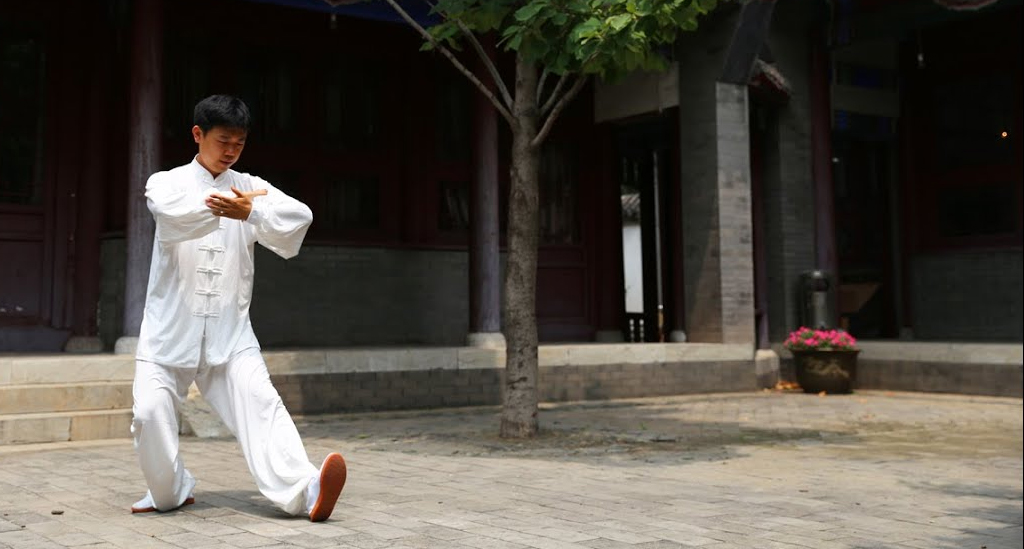
Tai chi, or tai chi chuan, emphasizes slow, flowing motions synchronized with breathing. Often called a moving meditation, it promotes both mental calm and focus.
Mental Benefits:
- Improved attention span: Slow, deliberate movements train the mind to maintain focus for longer periods.
- Stress reduction: Mindful practice lowers cortisol levels, which can otherwise impair concentration.
- Enhanced mind-body awareness: Regular practice increases proprioception and spatial awareness, reinforcing mental clarity.
Beginners often start with tai chi exercises for beginners, gradually improving balance, coordination, and cognitive engagement.
How Martial Arts Improve Memory and Cognitive Function
Sequential Learning
Both kung fu and tai chi require memorizing sequences of movements, known as forms or katas. These sequences stimulate brain areas associated with memory, attention, and spatial awareness.
- Practicing forms repeatedly strengthens neural connections.
- The mental challenge of remembering movement patterns can improve working memory and recall.
Mindfulness and Presence
Martial arts emphasize being present in the moment. Practitioners focus on posture, breathing, and movement precision. This kind of mindful practice:
- Reduces mental distractions.
- Enhances concentration during both exercise and everyday tasks.
- Improves cognitive control over impulses and attention shifts.
Whether practicing kung fu vs tai chi, the mind learns to remain engaged and resist wandering thoughts.
Stress Management and Mental Clarity
Chronic stress negatively impacts cognitive performance, memory, and focus. Martial arts provide a natural way to counteract this:
- Tai chi incorporates slow, rhythmic movements that activate the parasympathetic nervous system, promoting relaxation.
- Kung fu’s energetic practice releases pent-up tension and improves mood.
Both approaches enhance mental clarity, helping practitioners approach daily tasks with a sharper and calmer mindset.
Beginner-Friendly Martial Arts Exercises for Mental Focus
Even beginners can start training martial arts for mental focus at home or in classes. Here are simple exercises suitable for daily practice.
Tai Chi for Focus
- Centering Breath: Stand upright, relax shoulders, and inhale slowly while raising arms, exhaling as you lower them. Repeat for 2–3 minutes to calm the mind.
- Single-Step Weight Shifts: Shift weight gently from one foot to another while keeping movements slow and controlled. This trains concentration and body awareness.
- Arm Flow: Move arms in slow, circular patterns while coordinating with breathing. Focus on smooth transitions to enhance attention span.
Kung Fu for Focus
- Basic Stances: Practice horse stance or front stance while maintaining proper posture. Concentrate on balance and tension in the muscles.
- Punching Sequences: Perform short sequences of punches or strikes. Focus on precision, timing, and breathing.
- Shadow Sparring: Visualize an opponent and execute moves slowly at first, then progressively faster. This strengthens cognitive reaction time and mental alertness.
Tips for Maximizing Mental Benefits
- Consistency Matters: Daily practice, even for 10–20 minutes, is more effective than sporadic training.
- Focus on Quality, Not Quantity: Pay attention to posture, breath, and movement flow rather than rushing through sequences.
- Combine Styles for Variety: Alternating between kung fu vs tai chi exercises can challenge the mind differently, promoting balanced mental development.
- Practice Mindfulness: Incorporate mindful observation during practice, noticing posture, movement, and breath.
Long-Term Cognitive Benefits
Regular practice of martial arts leads to sustained improvements in mental focus:
- Enhanced attention span and concentration
Practicing sequences and mindful movements trains the brain to focus on the task at hand. Over time, this improved attention carries over to work, study, and daily activities, helping you stay present and engaged. - Faster decision-making and reflexes
Martial arts require rapid reactions and precise timing, which sharpens neural pathways. This training improves your ability to respond quickly to challenges, both physically and mentally. - Better memory for sequences and spatial patterns
Learning forms, stances, and movements strengthens working memory and pattern recognition. This not only benefits martial arts practice but also enhances problem-solving skills and cognitive mapping in everyday life. - Reduced mental fatigue and stress
Mindful focus combined with controlled breathing helps lower cortisol levels and calm the nervous system. Practitioners often feel more energized, less mentally drained, and better able to manage stress. - Greater emotional resilience and self-discipline
Regular training develops patience, persistence, and the ability to maintain composure under pressure. These traits support emotional balance and the discipline to pursue long-term personal and professional goals.
For lifelong cognitive health, combining daily tai chi exercises with occasional dynamic kung fu practice offers a balanced approach that strengthens both mind and body.
Conclusion
Martial arts are powerful tools for developing mental focus. Whether you choose kung fu vs tai chi, both provide unique cognitive benefits, from improved concentration and memory to stress reduction and emotional clarity.
Beginners can start with simple tai chi exercises for beginners or basic kung fu drills, gradually advancing to more complex sequences. Regular practice reinforces discipline, mindfulness, and mind-body coordination, making martial arts an ideal way to sharpen mental focus while maintaining physical health.
By integrating martial arts for mental focus into daily routines, you can boost attention, clarity, and resilience, skills that extend well beyond the training mat. For a deeper understanding of these practices, explore our Complete Guide to Tai Chi & Chinese Martial Arts.
FAQ
- Can martial arts improve mental focus?
Yes, both kung fu and tai chi train attention, coordination, and concentration. - What is the difference between kung fu and tai chi for focus?
Kung fu sharpens reflexes and alertness, while tai chi enhances calm concentration and mind-body awareness. - Can beginners practice martial arts for mental focus at home?
Yes, simple tai chi exercises for beginners or basic kung fu drills are effective at home. - How long should each session last?
Even 10–20 minutes daily can improve focus and mental clarity over time. - Does tai chi help with stress?
Yes, tai chi for stress relief supports calmness, reduces tension, and improves concentration. - Can martial arts improve memory?
Yes, memorizing forms and sequences strengthens working memory and cognitive recall. - Is martial arts suitable for all ages?
Yes, tai chi and beginner-friendly kung fu exercises are adaptable for various age groups. - Should I practice both kung fu and tai chi?
Combining styles can enhance focus, reflexes, and overall cognitive flexibility. - How soon will I notice improvements in mental focus?
Many practitioners observe enhanced attention and clarity within a few weeks of regular practice. - Do I need a class to start martial arts for mental focus?
Classes are helpful, but guided online tutorials or tai chi home exercises can also be effective.