Introduction
Tai chi is a widely practiced Chinese martial art known for its flowing movements, mindful breathing, and internal strength development. However, beginners often encounter confusing terms such as “tai tai chi” and “tai chi chuan.” While both refer to the same underlying martial art, understanding the subtle differences and historical context is important for anyone exploring tai chi practice.
In this guide, we’ll explore the distinctions between tai tai chi and tai chi chuan, compare them with kung fu, discuss their physical and mental benefits, and provide recommendations for beginners seeking to start their journey with tai chi quan for beginners.
What Is Tai Tai Chi?
The term “tai tai chi” often appears in online searches, casual references, or marketing materials, but it is not a formal term in traditional Chinese martial arts. It is generally used to refer to tai chi in a simplified or colloquial way.
- Tai tai chi usually emphasizes wellness, relaxation, and gentle movement.
- It is frequently promoted for beginners, older adults, or people seeking stress relief.
- While it retains the foundational principles of tai chi chuan, the martial applications may not always be highlighted.
Essentially, “tai tai chi” is a modern, accessible interpretation of the art, often geared toward health, balance, and mobility rather than combat training.
What Is Tai Chi Chuan?
Tai chi chuan, also written as tai chi quan, translates to “Supreme Ultimate Fist” and reflects the martial origins of the practice.
- Tai chi chuan is a complete internal martial art with both health and combat applications.
- Its practice develops balance, coordination, internal energy (qi), and self-defense skills.
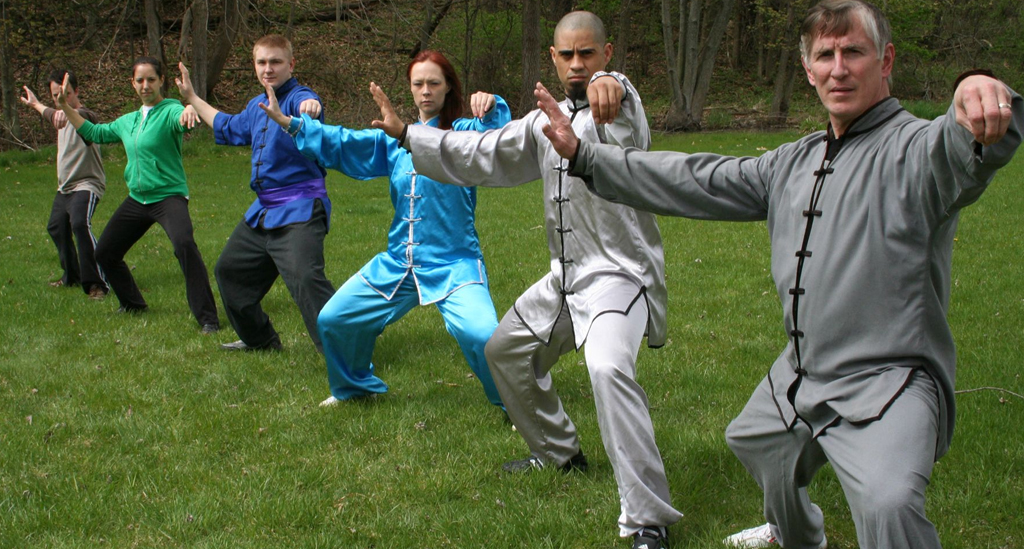
- Training includes solo forms, partner exercises like push hands, and sometimes weapons forms.
Tai chi chuan maintains a dual identity:
- Health-focused practice: Gentle movements, deep breathing, relaxation.
- Martial discipline: Force redirection, joint control, structural alignment, and efficient power generation.
For beginners, tai chi chuan provides a structured progression from simple exercises to full forms, making it suitable for long-term practice.
Tai Tai Chi vs Tai Chi Chuan: Key Differences
| Aspect | Tai Tai Chi | Tai Chi Chuan |
| Purpose | Wellness, stress relief, mobility | Health and martial applications |
| Martial Focus | Minimal | Integral, includes self-defense |
| Training Intensity | Gentle, low-impact | Gradual, moderate, develops internal power |
| Forms | Simplified sequences | Full traditional forms with structured progression |
| Target Audience | Beginners, seniors, casual practitioners | Beginners, martial arts students, serious practitioners |
| Health Benefits | Relaxation, balance, flexibility | Same health benefits + internal strength and coordination |
Key Insight: Both share the same philosophy and basic movement principles. Tai tai chi is a simplified, health-focused version, while tai chi chuan preserves traditional martial depth.
Tai Chi Chuan vs Kung Fu
For those exploring martial arts broadly, it’s helpful to compare tai chi chuan vs kung fu:
- Kung Fu: External martial art emphasizing speed, explosive power, dynamic techniques, and striking.
- Tai Chi Chuan: Internal martial art emphasizing flow, structure, relaxation, and efficient energy use.
While kung fu develops muscular strength and agility, tai chi chuan develops internal coordination, balance, and mindful movement. Many practitioners study both to experience the complementary benefits of internal and external martial training.
Benefits of Tai Tai Chi and Tai Chi Chuan
Both practices improve physical and mental health, though intensity and focus differ:
- Physical Benefits
- Improved flexibility and posture
- Strengthened stabilizing muscles
- Enhanced joint mobility and balance
- Gentle conditioning suitable for long-term practice
- Mental Benefits
- Stress reduction through mindful movement
- Increased focus and concentration
- Calm, meditative state encouraging body awareness
- Martial Benefits (Tai Chi Chuan)
- Learning force redirection and structural alignment
- Partner exercises for sensitivity and timing
- Self-defense applications using efficiency over strength
Recommended Practice for Beginners
Whether you begin with tai tai chi or tai chi chuan, these steps will help beginners get started:
- Start with Simple Movements
Begin with warm-up exercises and basic forms to develop posture, flow, and balance. Simple movements allow the body to adapt gradually, preventing strain and building confidence for more complex sequences. - Focus on Posture and Flow
Keep the spine upright, shoulders relaxed, and movements smooth. Concentrating on correct alignment and fluid transitions enhances body awareness, prevents injury, and maximizes the effectiveness of each exercise. - Practice at Home and in Class
Combine guided instruction with tai chi home exercises for reinforcement. Practicing both independently and with an instructor ensures proper technique, helps internalize forms, and strengthens consistency in movement patterns. - Consistent Practice
Short, frequent sessions (15–30 minutes) are more effective than sporadic long sessions. Regular repetition allows the nervous system to develop coordination, improves balance, and supports gradual improvement in strength and flexibility. - Progress Gradually
Move from simplified sequences (tai tai chi) to more complete forms (tai chi chuan) as confidence and coordination improve. Gradual progression ensures mastery of foundational skills before tackling advanced techniques, fostering long-term success.
Tip: For beginners, tai chi quan for beginners classes or online tutorials are ideal for learning correct technique and flow. Structured guidance ensures proper posture, prevents bad habits, and accelerates learning while keeping practice safe and effective.
Common Forms in Tai Chi Chuan
Some traditional forms frequently practiced include:
- Yang Style Long Form: Smooth, large movements suitable for beginners and seniors. Its gentle pace encourages mindful coordination, proper posture, and gradual flexibility improvement. Regular practice develops internal awareness, relaxed strength, and a strong foundation for all tai chi techniques.
- Chen Style Form: Combines slow sequences with bursts of power (fa jin). This form trains both internal energy and external expression, improving strength, agility, and explosive coordination. Practitioners learn to transition seamlessly between soft and powerful movements while refining breath control and body alignment.
- Wu Style Form: Compact, precise, emphasizing internal mechanics. Its smaller gestures focus on structural alignment, subtle weight shifts, and internal energy flow. Regular practice enhances balance, posture, and proprioception, making it ideal for those seeking efficiency and refinement over large, dramatic movements.
- Sun Style Form: Agile, higher stances, easier on the knees, ideal for gentle practice. This form combines smooth footwork with flowing arm movements, promoting flexibility, joint mobility, and cardiovascular health. Sun style is especially well-suited for seniors or beginners seeking low-impact, mindful exercise.
Even simple practice of a single form can develop balance, coordination, and internal energy over time.
Conclusion
Understanding the difference between tai tai chi vs tai chi chuan helps beginners choose the right starting point for their goals. Tai tai chi is perfect for health, stress relief, and gentle movement, while tai chi chuan provides a full martial arts experience alongside physical and mental benefits.
Beginners should focus on basic tai chi exercises for beginners, paying attention to posture and flow, gradually progressing toward full forms. With consistent practice, both tai tai chi and tai chi chuan promote flexibility, balance, coordination, and long-term wellbeing.
For a more comprehensive understanding of tai chi’s history, philosophy, and benefits, explore our Complete Guide to Tai Chi & Chinese Martial Arts.
FAQ
- What is the difference between tai tai chi and tai chi chuan?
Tai tai chi is a simplified, health-focused version, while tai chi chuan preserves traditional martial depth. - Is tai tai chi suitable for beginners?
Yes, it is gentle, accessible, and ideal for beginners or older adults. - Can tai chi chuan be practiced for health only?
Yes, it offers full physical and mental benefits even without martial training. - Which is better for self-defense: tai tai chi or tai chi chuan?
Tai chi chuan includes full martial applications, making it suitable for self-defense. - How does tai chi chuan differ from kung fu?
Tai chi chuan focuses on internal coordination and flow, while kung fu emphasizes speed and external power. - Do I need prior martial arts experience to practice tai chi quan for beginners?
No, beginners can start safely with guided classes or online tutorials. - How often should beginners practice tai tai chi or tai chi chuan?
Consistent short sessions, 15–30 minutes daily or several times per week, are most effective. - Can tai tai chi improve posture and balance?
Yes, its slow, controlled movements strengthen stabilizing muscles and enhance alignment. - Are there different forms within tai chi chuan?
Yes, major styles include Yang, Chen, Wu, and Sun, each with unique characteristics. - Can I transition from tai tai chi to tai chi chuan?
Absolutely, beginners can start with simplified movements and gradually progress to full martial forms.