Introduction
Modern lifestyles often involve long hours of sitting, repetitive movements, and limited physical activity. Over time, these habits can lead to poor posture, muscle stiffness, and reduced flexibility. Many people experience tight shoulders, lower back discomfort, and limited range of motion as a result.
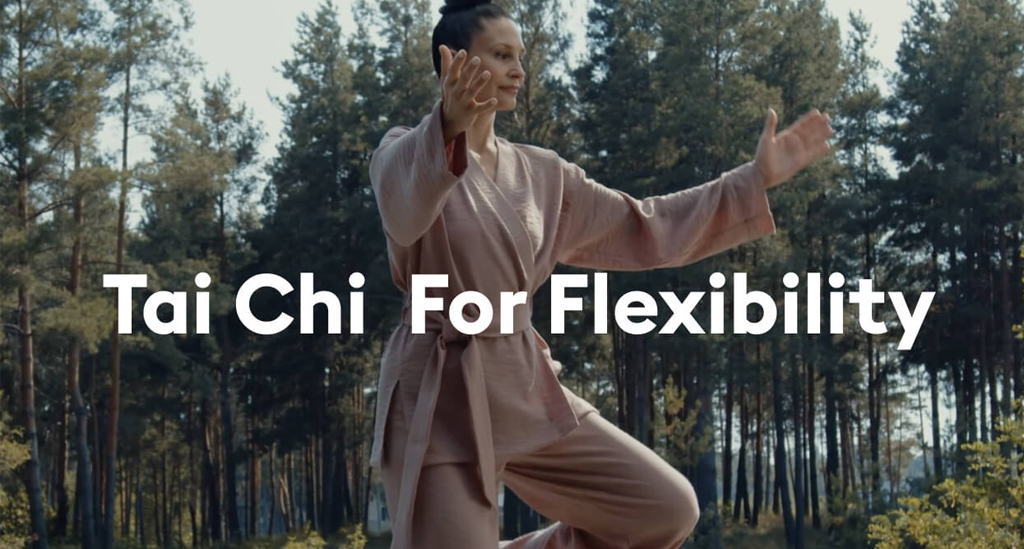
One gentle yet highly effective way to address these issues is practicing tai chi. Practicing tai chi for flexibility and posture can gradually restore natural movement patterns and reduce tension caused by everyday stress and inactivity.
In this guide, we will explore how tai chi improves flexibility and posture, examine the physical benefits of regular practice, and introduce a few tai chi exercises for beginners that support healthy movement. If you want a deeper understanding of tai chi’s history, philosophy, and styles, you can also explore our complete guide to tai chi and Chinese martial arts.
How Tai Chi Improves Flexibility
One of the most noticeable benefits of tai chi is improved flexibility. The art involves continuous circular movements, gentle weight shifts, and coordinated arm patterns that encourage joints to move through natural ranges of motion.
Unlike static stretching, tai chi promotes dynamic flexibility. This means the muscles lengthen and contract gradually during movement rather than being held in a fixed position.
Several elements of tai chi contribute to improved flexibility.
Gentle Joint Mobilization
Many tai chi movements involve circular rotations of the shoulders, hips, and knees. These motions help lubricate joints and encourage healthy mobility without sudden strain.
Gradual Muscle Lengthening
Slow transitions allow muscles to stretch naturally while remaining relaxed. Over time, this helps release tension and improves overall range of motion.
Whole-Body Movement
Tai chi encourages the body to move as an integrated unit. When the torso rotates and the arms follow smoothly, the muscles of the back, hips, and shoulders stretch in a coordinated manner.
For beginners, practicing simple tai chi exercises for beginners regularly can gradually increase flexibility while reducing stiffness caused by inactivity.
How Tai Chi Supports Better Posture
Posture is influenced by muscle strength, body awareness, and alignment. Tai chi addresses all three of these factors simultaneously.
One of the core principles of tai chi is maintaining an upright yet relaxed posture. The spine remains naturally aligned while the shoulders and hips stay balanced.
This approach encourages the body to maintain structural integrity without excessive tension.
Strengthening Postural Muscles
Slow, controlled movements require stabilizing muscles in the core and back to remain engaged. Over time, these muscles become stronger and more capable of supporting proper alignment.
Improving Body Awareness
Tai chi develops mindfulness of how the body moves and feels. Practitioners become more aware of their posture during both exercise and daily activities.
Encouraging Balanced Movement
Many everyday movements involve leaning or twisting in ways that place stress on certain muscles. Tai chi teaches practitioners to distribute weight evenly and maintain balanced alignment.
These principles make tai chi for flexibility and posture particularly beneficial for individuals experiencing stiffness or discomfort caused by poor posture habits.
Tai Chi Exercises for Beginners That Support Flexibility and Posture
Practicing a few simple movements regularly can help beginners experience the physical benefits of tai chi.
Opening Movement
The opening posture is often used to begin tai chi practice and helps establish proper alignment.
Steps
- Stand with feet shoulder-width apart.
- Relax your shoulders and allow your arms to hang naturally.
- Slowly raise both arms to chest height while inhaling.
- Gently lower the arms while exhaling.
This movement encourages relaxed breathing and proper posture while warming up the body.
Arm Circle Exercise
This simple movement promotes shoulder mobility and upper-body flexibility.
Steps
- Stand in a comfortable stance.
- Slowly raise your arms in front of the body.
- Move them outward in a smooth circular motion.
- Allow the hands to return to the starting position.
The circular motion helps release tension in the shoulders and upper back.
Gentle Waist Rotation
Waist rotations encourage spinal mobility and improve flexibility in the torso.
Steps
- Stand upright with feet shoulder-width apart.
- Slowly rotate your torso to the right while allowing your arms to follow naturally.
- Return to the center and rotate to the left.
These controlled rotations stretch the muscles along the spine and improve mobility.
Weight Shift Exercise
Weight shifting strengthens stabilizing muscles and improves balance.
Steps
- Stand with feet slightly wider than shoulder width.
- Slowly shift weight onto one leg.
- Keep the torso upright and relaxed.
- Shift weight back to the center and repeat on the other side.
This exercise promotes stability and helps maintain proper posture during movement.
Tai Chi Posture and Flow Tips
Proper movement quality is essential for experiencing the full benefits of tai chi. These tai chi posture and flow tips can help beginners develop better technique.
Keep the Spine Upright
Maintain natural alignment from the head through the hips. Avoid leaning forward or backward.
This upright structure supports balance and stability during movement. It also allows the body to move more efficiently without unnecessary strain.
Relax the Shoulders
Allow the shoulders to remain soft and relaxed while the arms move naturally. Relaxed shoulders help maintain fluid movement throughout the sequence. This prevents tension from interrupting the natural flow of tai chi.
Move Slowly and Smoothly
Tai chi emphasizes continuous movement rather than abrupt transitions. Moving slowly allows practitioners to stay aware of each posture. Smooth transitions help maintain balance and rhythm throughout the sequence.
Coordinate Breath with Movement
Breathing should remain calm and synchronized with the rhythm of each motion. Steady breathing supports relaxation and focus during practice. It also helps maintain a consistent pace as movements unfold.
Applying these simple tai chi posture and flow tips can help beginners improve both flexibility and posture more effectively.
Physical Benefits of Regular Tai Chi Practice
Beyond flexibility and posture improvements, tai chi offers a range of additional physical benefits.
Improved Joint Health
The gentle movements help maintain mobility in the knees, hips, shoulders, and spine.
Because tai chi involves smooth, controlled motion rather than sudden impact, it supports joint function without excessive strain. Regular practice encourages natural lubrication within the joints and promotes healthy movement patterns.
Reduced Muscle Tension
Relaxed movement patterns encourage muscles to release unnecessary tension. Many people carry chronic tension in areas like the neck, shoulders, and lower back due to stress or poor posture. Tai chi’s slow rhythm allows muscles to gradually relax while remaining gently engaged.
Better Coordination
Practicing slow, deliberate movements improves communication between the brain and muscles.
As beginners practice shifting weight, rotating the torso, and moving the arms simultaneously, the nervous system becomes more efficient at controlling movement.
Increased Body Awareness
Tai chi encourages mindfulness of posture, balance, and breathing. Through careful attention to alignment and movement quality, practitioners develop a stronger awareness of how their bodies feel and move in space. This heightened awareness can help individuals recognize poor posture habits and correct them more easily.
Together, these benefits contribute to long-term physical health and overall wellbeing.
Conclusion
Flexibility and posture improvements do not occur overnight. Like many forms of mindful exercise, tai chi produces gradual yet lasting benefits through consistent practice.
By practicing tai chi for flexibility and posture regularly, individuals can restore natural movement patterns, strengthen stabilizing muscles, and reduce stiffness caused by daily habits.
Many beginners start with a few simple tai chi exercises for beginners, gradually developing greater coordination and confidence in their movements. Applying basic tai chi posture and flow tips also helps ensure that each movement remains balanced and controlled.
FAQ
- What is tai chi for flexibility and posture?
Tai chi is a gentle martial art that improves joint mobility, muscle flexibility, and overall posture through slow, coordinated movements. - Can beginners practice tai chi at home?
Yes, simple tai chi home exercises can be safely performed at home with proper guidance and focus on posture. - How often should I practice tai chi for best results?
Practicing two to four times per week helps build flexibility, strength, and posture gradually. - Do I need special equipment for tai chi?
No, comfortable clothing and a quiet space are sufficient for effective practice. - How long does it take to see improvements in posture?
Many practitioners notice better posture and alignment within a few weeks of consistent practice. - Can tai chi reduce muscle tension?
Yes, its slow and mindful movements help release tension in shoulders, back, and neck. - Is tai chi suitable for seniors?
Absolutely; tai chi’s low-impact exercises make it safe and beneficial for older adults. - Will tai chi help with balance as well as flexibility?
Yes, tai chi movements strengthen stabilizing muscles and improve coordination for better balance. - Can tai chi complement other fitness routines?
Yes, tai chi can be combined with strength or cardio workouts to enhance flexibility and posture. - Do I need prior martial arts experience to start?
No prior experience is required, beginner-friendly tai chi exercises focus on gentle movement and alignment.