
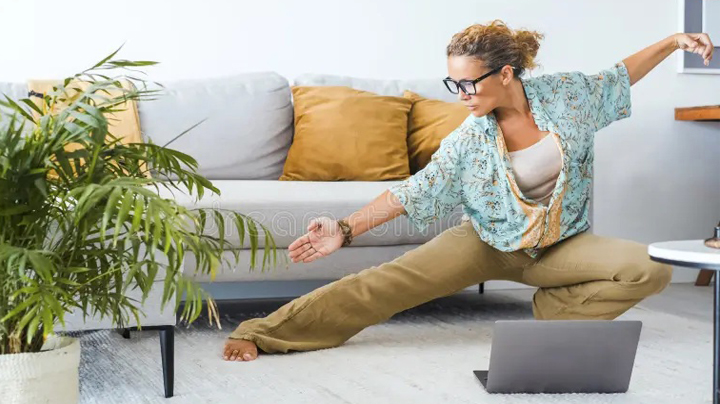
Practicing tai chi at home exercises has become increasingly popular among seniors and beginners seeking a gentle, mindful form of movement. Known as “meditation in motion,” tai chi combines slow, flowing motions with controlled breathing and focused attention, offering benefits for balance, flexibility, mental clarity, and overall well-being.
Home practice allows individuals to enjoy tai chi’s benefits without attending a studio or adhering to a strict class schedule. Even short, consistent sessions can improve physical stability, reduce stress, and enhance quality of life. This guide provides practical tai chi exercises for beginners, posture and flow tips, and tailored guidance for seniors practicing safely at home.
Why Practice Tai Chi at Home?
Home practice makes tai chi accessible, flexible, and convenient:
- Flexibility: Practice anytime without commuting.
- Comfort: A familiar environment encourages relaxation and reduces anxiety.
- Consistency: Daily or regular sessions improve results over time.
- Safety: Beginners and seniors can progress at their own pace.
With these advantages, home practice complements other wellness routines, making tai chi for seniors and beginners a sustainable, long-term activity.
Getting Started: Essential Equipment and Space
You don’t need special equipment to begin:
- Space: A quiet area of 6–8 feet in all directions allows full movement.
- Footwear: Comfortable shoes or barefoot practice helps maintain balance.
- Clothing: Loose, breathable clothing allows freedom of motion.
- Optional aids: A chair for support if needed, especially for seniors.
A safe, uncluttered environment ensures proper posture, flow, and balance while reducing the risk of falls.
Tai Chi Exercises for Beginners
Safety Reminder: Always listen to your body and avoid overextending movements. Start with 10–15 minutes per session, gradually increasing time as confidence grows.
- Basic Starting Stance
Stand with feet shoulder-width apart, knees slightly bent, and arms relaxed at your sides. Focus on grounding through your feet and maintaining an upright spine.
Benefits: Improves posture, balance, and awareness. - Weight Shifting
Shift your weight gently from one foot to the other while maintaining stability. Let your arms float naturally.
Benefits: Enhances balance and coordination. - Cloud Hands
Move your hands in slow, horizontal circular patterns while shifting weight side to side.
Benefits: Promotes fluidity, mental focus, and shoulder mobility. - Parting the Wild Horse’s Mane
Step forward gently while moving your arms diagonally. Repeat on both sides.
Benefits: Encourages whole-body coordination, rhythm, and flexibility. - Heel Raises with Breath
Raise heels slowly, balancing on your toes, then lower while synchronizing with deep inhalation and exhalation.
Benefits: Strengthens ankles and calves while integrating mindful breathing.
Tips for Beginners: Focus on slow, deliberate movements. Start with 10–15 minutes daily, and use videos or tutorials if needed.
Tai Chi Exercises for Seniors
Seniors may need to adapt exercises for comfort and safety:
- Basic Starting Stance (with Support)
Use a chair or countertop for balance. Keep knees slightly bent and move gently. - Weight Shifting (Reduced Range)
Take smaller steps and hold onto a support surface if needed. - Cloud Hands (Seated Option)
Perform circular hand motions while seated or with minimal arm range. - Parting the Wild Horse’s Mane (Small Steps)
Use smaller steps and focus on flowing arms and breath coordination. - Heel Raises (Supported)
Hold a chair, raise heels slightly, and synchronize with calm breathing.
Tips for Seniors: Short sessions (10–15 minutes) are sufficient. Prioritize safety and comfort, gradually increasing practice time as confidence grows.
Tai Chi Posture and Flow Tips for Home Practice
Proper posture and flow are essential for effective home practice:
- Upright Spine: Avoid slouching; imagine a string pulling the crown of your head upward.
- Relaxed Shoulders: Keep shoulders down and arms soft.
- Gentle Knees: Slightly bent knees protect joints and improve balance.
- Slow Transitions: Move deliberately between postures for focus and coordination.
- Breath Awareness: Synchronize movement with deep, calm breaths to promote relaxation.
Following these tips ensures beginners and seniors enjoy tai chi safely and maximize its benefits.
Creating a Home Practice Routine
Once you understand the basics and posture, tailor your practice according to your needs before establishing a routine. Consistency is key for results:
- Morning Warm-Up: 5–10 minutes of gentle stretches and basic stances to energize the body and mind.
- Midday Refresh: 5–10 minutes of Cloud Hands or Weight Shifting to release tension and restore focus.
- Evening Wind-Down: Parting the Wild Horse’s Mane and slow breathing help calm the nervous system and prepare for restful sleep.
Even brief daily sessions gradually build strength, flexibility, and mental clarity. Consistent practice ensures long-term benefits for both body and mind.
Benefits of Practicing Tai Chi at Home
Regular tai chi for beginners and seniors can:
- Improve balance and prevent falls
- Increase flexibility and joint mobility
- Reduce stress, anxiety, and mental fatigue
- Enhance mindfulness and emotional resilience
- Support cardiovascular and respiratory health through gentle movement
Home practice offers a convenient way to integrate these benefits into daily life.
Safety Precautions for Home Practice
Practicing tai chi at home can be highly beneficial, but safety should always come first.
Even gentle movements can pose a risk if proper precautions aren’t taken, especially for seniors and beginners. Taking a few minutes to prepare your space and plan your routine can prevent accidents and maximize the benefits of your practice.
- Ensure a clutter-free area to prevent tripping.
- Begin with short sessions and gradually increase duration.
- Consult a physician if you have chronic conditions or mobility concerns.
- Listen to your body—avoid overextending or forcing movements.
- Use slow, controlled motions to minimize risk of injury.
Following these precautions will help you practice tai chi consistently without unnecessary risks.
By prioritizing safety, you can enjoy the full benefits of tai chi for balance, flexibility, and mental well-being. Remember, gradual and mindful practice is always more effective and sustainable than rushing through exercises.
Conclusion
Practicing tai chi at home exercises provides seniors and beginners with a safe, convenient, and effective way to improve balance, flexibility, and mental well-being. By incorporating simple sequences, maintaining proper posture, and focusing on mindful breathing, home practice becomes a sustainable, stress-relieving routine.
Whether you are a senior seeking gentle mobility support or a beginner exploring mindful movement, consistent home-based tai chi offers lasting physical, emotional, and mental benefits, helping you live a healthier, more centered life.
FAQs
- Can I learn tai chi at home without a teacher?
Yes, beginners can start with simple exercises and online or video guidance. - How long should daily home sessions be?
10–20 minutes is sufficient for beginners and seniors. - Is tai chi safe for seniors with limited mobility?
Yes, movements can be adapted using chairs or support. - Do I need special equipment for home practice?
No, just comfortable clothing and a safe space are enough. - Which tai chi exercises are easiest for beginners?
Basic Stance, Weight Shifting, and Cloud Hands are ideal starting points. - Can tai chi improve balance for older adults?
Yes, consistent practice strengthens stability and reduces fall risk. - How often should I practice at home?
Daily practice, even short sessions, provides the best results. - Is it better to practice morning or evening?
Either works; morning energizes, evening relaxes—the key is consistency. - Can tai chi reduce stress and anxiety at home?
Yes, mindful movements and coordinated breathing promote relaxation. - Can I combine tai chi with other exercises?
Absolutely, tai chi complements stretching, yoga, or light strength training.